

Paid clinical trials are research studies designed to test the safety and effectiveness of experimental drugs, medical devices, or treatment methods. These studies represent a critical phase in the medical development process, enabling scientists to collect data on how new treatments affect human physiology and health outcomes. Participants receive financial compensation for their time and participation, with payment amounts varying based on study duration, complexity, and participant requirements.
The fundamental purpose of paid clinical trials is to generate scientific evidence that advances medical understanding and enhances healthcare delivery. Clinical trials typically progress through multiple phases: Phase I studies primarily examine safety and dosage in small groups, Phase II trials evaluate effectiveness while continuing to monitor safety, and Phase III studies compare new treatments to existing standard treatments in larger participant populations. Phase IV trials may occur after regulatory approval to monitor long-term effects.

Study participants may include healthy individuals or patients with specific medical conditions, depending on the research objectives. Compensation serves multiple functions: it acknowledges participants’ time investment, covers expenses such as travel and lost wages, and provides incentive for enrollment in studies requiring substantial time commitments, frequent visits, or medical procedures. Payment structures vary considerably, ranging from modest amounts for brief studies to several thousand dollars for complex, long-duration trials.
Key Takeaways
- Paid clinical trials offer financial compensation for participating in medical research studies.
- Finding trials involves researching online databases, contacting research centers, and meeting eligibility criteria.
- Benefits include access to new treatments, contributing to medical advancements, and receiving compensation.
- Participants should be aware of potential risks, side effects, and the importance of informed consent.
- Understanding participant rights and actively engaging can enhance the overall trial experience and outcomes.
How to Find and Apply for Paid Clinical Trials

Finding paid clinical trials can be a straightforward process if you know where to look. Numerous online platforms and databases list ongoing clinical trials, including ClinicalTrials.gov, a comprehensive resource maintained by the U.S. National Library of Medicine. This site allows users to search for trials based on various criteria, such as location, medical condition, or phase of the trial. Additionally, many pharmaceutical companies and research institutions have their own websites where they post information about current studies and recruitment opportunities. Once you identify a trial that interests you, the application process typically involves filling out a screening questionnaire to determine your eligibility. This questionnaire may ask about your medical history, current medications, and lifestyle factors. If you meet the initial criteria, you may be contacted for further screening, which could include interviews or additional medical assessments. It’s crucial to be honest and thorough in your responses, as this information helps researchers ensure participant safety and the integrity of the study.
Benefits of Participating in Paid Clinical Trials
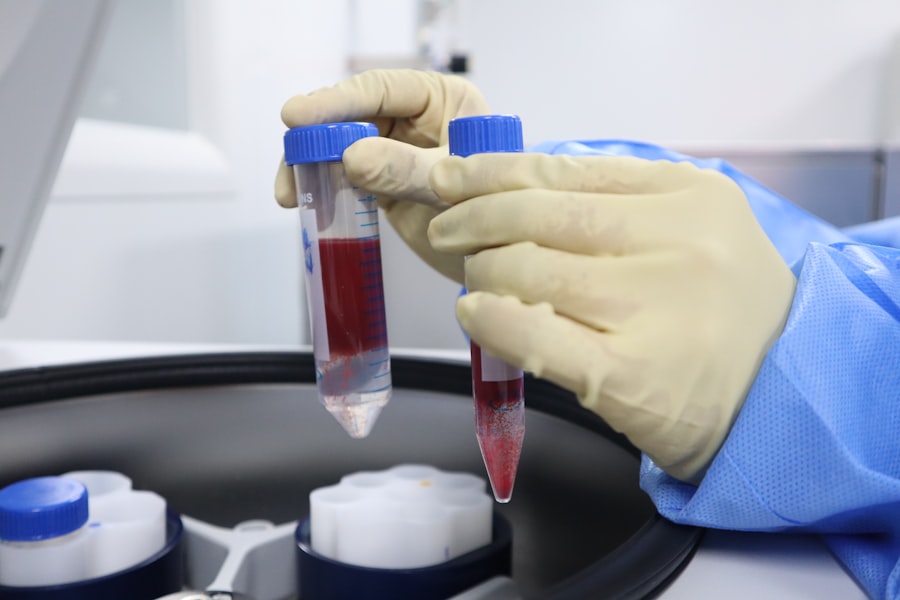
Participating in paid clinical trials offers several benefits beyond financial compensation. One of the most significant advantages is the opportunity to contribute to medical research that could lead to breakthroughs in treatment options for various diseases and conditions. By volunteering for a trial, participants play a vital role in advancing science and potentially improving the lives of countless individuals in the future.
Additionally, participants often receive access to cutting-edge treatments that are not yet available to the general public. This can be particularly appealing for individuals with chronic conditions who have exhausted conventional treatment options. Furthermore, many clinical trials provide comprehensive medical evaluations and monitoring throughout the study period, which can lead to early detection of health issues or better management of existing conditions.
Participants may also benefit from close interactions with healthcare professionals, gaining insights into their health that they might not receive in standard clinical settings.
Risks and Considerations for Participating in Paid Clinical Trials
While there are numerous benefits to participating in paid clinical trials, it is essential to consider the potential risks involved. One primary concern is the possibility of experiencing adverse effects from experimental treatments. Since these drugs or devices are still under investigation, their safety profiles may not be fully established.
Participants may encounter side effects that range from mild discomfort to severe reactions, depending on the nature of the intervention being tested. Moreover, participation in a clinical trial may require significant time commitments, including multiple visits to research sites for assessments or treatments. This can be particularly challenging for individuals with busy schedules or those who live far from trial locations.
Additionally, participants should be aware that they may be placed in a placebo group, meaning they could receive a treatment that has no therapeutic effect instead of the active drug being tested. This aspect can be disheartening for those seeking immediate relief from their conditions.
What to Expect During a Paid Clinical Trial
| Metric | Description | Typical Range | Notes |
|---|---|---|---|
| Average Participant Compensation | Amount paid to each participant per trial | 500 – 3000 | Varies by trial length and complexity |
| Trial Duration | Length of the clinical trial | 1 month – 2 years | Depends on phase and condition studied |
| Number of Participants | Typical enrollment size per trial | 20 – 1000+ | Phase 1 trials usually smaller, Phase 3 larger |
| Phase Distribution | Percentage of trials by phase | Phase 1: 40%, Phase 2: 35%, Phase 3: 25% | Reflects common industry distribution |
| Average Payment per Trial | Total compensation budget per trial | 10,000 – 1,000,000 | Depends on trial size and duration |
| Common Therapeutic Areas | Most frequent medical fields for paid trials | Oncology, Neurology, Cardiology, Infectious Diseases | Varies by current research focus |
The experience of participating in a paid clinical trial can vary widely depending on the study’s design and objectives. Generally, participants can expect an initial screening process that includes a thorough review of their medical history and current health status. If accepted into the trial, participants will undergo baseline assessments to establish their health metrics before starting the intervention.
Throughout the trial, participants will typically attend regular follow-up appointments where researchers monitor their health and collect data on their responses to the treatment. These visits may involve physical examinations, laboratory tests, and questionnaires about symptoms or side effects experienced during the study. Depending on the trial’s structure, participants may also be required to maintain a diary or log their experiences at home.
Communication with study coordinators is crucial during this time; participants should feel comfortable discussing any concerns or side effects they encounter.
Understanding Informed Consent and Participant Rights
Informed consent is a fundamental aspect of participating in clinical trials, ensuring that individuals are fully aware of what their involvement entails before agreeing to participate. This process involves providing potential participants with detailed information about the study’s purpose, procedures, risks, benefits, and their rights as participants. Researchers must ensure that consent is obtained voluntarily without any coercion.
Participants have specific rights that protect them throughout the trial process. They have the right to withdraw from the study at any time without penalty or loss of benefits. Additionally, participants should be informed about any new findings that may affect their willingness to continue in the trial.
Researchers are obligated to maintain confidentiality regarding participants’ personal health information and must adhere to ethical guidelines established by institutional review boards (IRBs) that oversee clinical research.
How to Make the Most of Your Experience in a Paid Clinical Trial
To maximize your experience in a paid clinical trial, it is essential to approach participation with an informed mindset and proactive attitude. Before enrolling, take time to thoroughly read all provided materials and ask questions about anything unclear during the informed consent process. Understanding what is expected of you will help set realistic expectations and prepare you for any challenges that may arise.
Maintaining open communication with study coordinators and healthcare professionals throughout the trial is crucial. If you experience side effects or have concerns about your health during the study, do not hesitate to reach out for guidance or support. Keeping a journal of your experiences can also be beneficial; documenting symptoms or changes in your health can provide valuable insights for both you and the research team.
Engaging with other participants can foster a sense of community and support as you navigate your experiences together.
The Future of Medical Research and the Role of Paid Clinical Trials
As medical research continues to evolve, paid clinical trials will play an increasingly vital role in developing innovative treatments and therapies. The growing emphasis on personalized medicine—tailoring treatments based on individual genetic profiles—will likely lead to more targeted clinical trials that require diverse participant populations. This shift underscores the importance of inclusivity in research studies to ensure that findings are applicable across different demographics.
Moreover, advancements in technology are transforming how clinical trials are conducted. Remote monitoring tools and telehealth options are becoming more prevalent, allowing participants to engage in studies from home while still receiving necessary oversight from researchers. This trend not only enhances participant convenience but also broadens access for individuals who may have previously faced barriers to participation due to geographical constraints or mobility issues.
In conclusion, paid clinical trials represent a critical intersection between patient involvement and scientific advancement. As society continues to grapple with complex health challenges, these studies will remain essential for driving innovation in healthcare while providing participants with unique opportunities for engagement and contribution to medical progress.
