
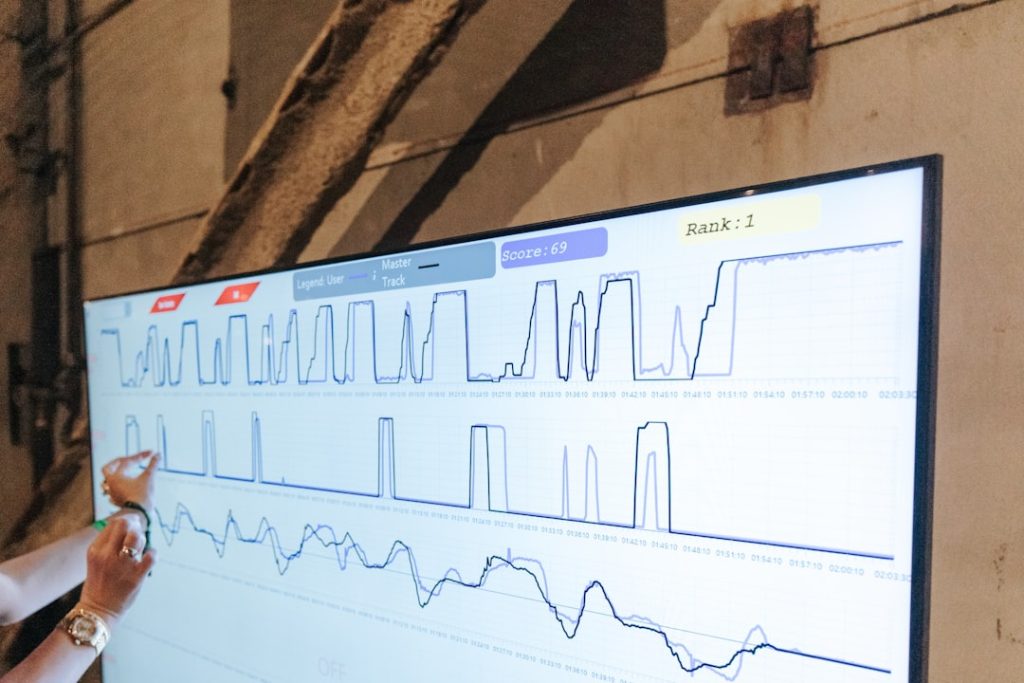
The integration of clinical software has become a pivotal development in the field of healthcare, fundamentally altering how data is collected, managed, and utilized. This transition from paper-based systems to digital platforms represents a significant leap, akin to moving from a handwritten ledger to a sophisticated accounting system, offering enhanced precision, accessibility, and analytical capabilities. The impact of clinical software on data collection is multifaceted, influencing everything from patient intake to long-term outcome tracking. This article will explore the key aspects of this enhancement, detailing the mechanisms through which clinical software improves data collection processes.
Clinical software provides a structured and digitized approach to gathering initial patient information, a process that often serves as the foundation for all subsequent care and data aggregation. Manual methods, while familiar, are prone to inefficiencies and potential errors.
Standardized Intake Forms

Digital intake forms within clinical software ensure consistency across all patients. Unlike paper forms that can be filled out in various handwriting styles or with differing levels of detail, electronic forms present pre-defined fields and dropdown menus. This standardized approach acts as a digital template, guiding both the patient and the healthcare professional to provide specific and relevant information. For instance, instead of a free-text field for allergies, a pre-populated list with an option to add others ensures that this critical data point is captured uniformly. This uniformity is like having a standardized measuring tape versus a piece of string – one provides objective, comparable data, while the other is subject to interpretation and variability.
Real-time Data Entry and Verification
The ability to enter data in real-time is a significant advantage. As a patient provides information during an appointment, it can be entered directly into the system, eliminating the delay and potential for transcription errors associated with manual data entry later. Furthermore, many clinical software systems incorporate validation rules. If a user attempts to enter a non-numeric value in a field designated for a numerical measurement (e.g., blood pressure), the system will flag it, prompting correction. This immediate feedback loop acts as a quality control mechanism, preventing many common data entry mistakes before they become embedded in the patient record.
Integration with Existing Patient Data

Advanced clinical software can integrate with or access existing patient records, provided relevant permissions are in place. This prevents redundant data collection. For example, if a patient has been seen at the same clinic or hospital network previously, their existing demographic information, past medical history, and medication lists can be automatically populated into the new encounter’s record. This saves time for both the patient and the clinician and ensures continuity of information, avoiding the scenario of asking for information the system already possesses. It’s akin to having a central library where all borrower information is accessible, rather than having to re-register each time a book is borrowed.
Multimedia Data Integration
Beyond text-based information, clinical software can accommodate the capture and storage of multimedia data directly related to patient encounters. This can include high-resolution images from dermatological examinations, X-ray or MRI scans, or even audio recordings of consultations (with explicit consent). This visual and auditory data provides a richer, more comprehensive picture of the patient’s condition than text alone can offer. For example, a captured image of a skin lesion can be precisely annotated and compared with future images, providing objective evidence of changes over time.
Enhancing Diagnostic Data Collection and Accuracy
The collection of diagnostic data is critical for accurate diagnosis and effective treatment planning. Clinical software offers robust tools to improve the quality and utility of this information.
Structured Templates for Clinical Findings
Clinicians can utilize structured templates within electronic health records (EHRs) to document physical examinations and diagnostic findings. These templates guide the clinician through a systematic assessment, ensuring that all relevant systems are examined and key findings are documented. For example, a cardiology template might prompt the recording of heart sounds, rhythm, and presence of murmurs, murmurs, and other abnormalities. This structured approach mirrors a well-organized detective’s notebook, ensuring all clues are noted in a systematic manner, making it easier to piece together the full picture.
Integrated Laboratory and Imaging Results
A significant advantage of clinical software is its ability to integrate directly with laboratory information systems (LIS) and radiology information systems (RIS). This means that results from blood tests, biopsies, and imaging studies are automatically imported into the patient’s electronic record. This eliminates manual data entry of these often complex and lengthy reports, reducing the risk of transcription errors. Furthermore, it allows for direct comparison of results over time, facilitating the tracking of disease progression or treatment response. The software can often flag results that fall outside of normal ranges, drawing the clinician’s attention to potential issues.
Real-time Vital Sign Monitoring Integration
For patients requiring continuous monitoring, clinical software can integrate with medical devices that capture vital signs. This includes heart rate monitors, blood pressure cuffs, and pulse oximeters. Data is streamed directly into the patient’s record, providing a continuous stream of physiological information. This real-time data allows for immediate detection of critical changes and can trigger alerts to clinical staff. This is like having a live feed from multiple sensors on a vehicle, providing immediate information about its performance and any developing problems, rather than relying on periodic manual checks.
Enhanced Imaging and Diagnostic Visualization Tools
Modern clinical software often includes advanced visualization tools for medical images. This allows clinicians to manipulate, zoom, and annotate images, facilitating a more thorough diagnosis. Some systems can also overlay different imaging modalities, such as combining CT and MRI scans, to provide a more comprehensive anatomical view. This capability can significantly enhance the accuracy of diagnoses, particularly in complex cases.
Improving Therapeutic Intervention Monitoring

Once a diagnosis is made and a treatment plan is initiated, clinical software plays a crucial role in monitoring the effectiveness of interventions and patient progress.
Medication Management and Adherence Tracking
Clinical software provides robust tools for prescribing, dispensing, and monitoring medications. This includes features for tracking drug allergies, potential drug interactions, and contraindications based on patient history. Prescriptions can be electronically sent to pharmacies, reducing errors and improving efficiency. For patients, some systems offer medication reminders and adherence tracking features. Healthcare providers can monitor prescription refills and identify patients who may be struggling with adherence, allowing for timely intervention and support. This functionality acts as a diligent pharmacist, double-checking prescriptions and ensuring medications are appropriate and being taken as prescribed.
Progress Note Automation and Standardization
While clinical narratives are inherently qualitative, clinical software can facilitate more standardized and efficient progress note documentation. Templates can be used to guide the entry of subjective, objective, assessment, and plan (SOAP) notes, ensuring all essential components are included. Furthermore, features like “smart phrases” or auto-completion can significantly speed up the documentation process by inserting frequently used medical terms or phrases. This allows clinicians to spend more time on critical analysis and patient interaction and less time on manual typing.
Tracking Treatment Response and Side Effects
Clinical software can be configured to track specific patient-reported outcomes (PROs) or observed side effects related to treatment. For example, in oncology, a patient might be prompted to regularly report their level of pain or nausea. This data, collected systematically, can be graphed over time, providing a clear visual representation of treatment effectiveness and the emergence of side effects. This allows clinicians to adjust treatment plans proactively, rather than waiting for significant deterioration.
Integration with Remote Patient Monitoring (RPM) Devices
The expansion of Remote Patient Monitoring (RPM) devices—such as wearable fitness trackers that measure heart rate and activity, or glucose monitors—connects directly with clinical software. This allows for continuous, real-time data collection from patients outside of traditional healthcare settings. This data can include blood pressure readings, weight, blood glucose levels, and more. The software can then analyze this data, flagging any concerning trends or outliers for clinician review. This extends the reach of healthcare beyond the clinic walls, enabling proactive management of chronic conditions and earlier detection of potential health issues. It’s like having a remote sensing network that keeps an eye on patients’ well-being, alerting the central command when anomalies are detected.
Facilitating Research and Public Health Initiatives

Beyond individual patient care, the aggregated data collected by clinical software offers immense value for research and public health endeavors.
De-identified Data for Research
Clinical software platforms, when properly anonymized and de-identified, can serve as a powerful resource for medical research. Researchers can access large datasets to identify patterns, study disease prevalence, evaluate treatment efficacy across populations, and develop new diagnostic or therapeutic strategies. The structured and standardized nature of the data collected through clinical software makes it far more amenable to large-scale statistical analysis than fragmented, paper-based records. This anonymized data acts as a vast reservoir of knowledge, waiting to be tapped for scientific discovery.
Population Health Management
Clinical software is instrumental in population health management initiatives. By analyzing data across patient populations, healthcare organizations can identify trends, predict disease outbreaks, and target interventions to specific groups. For instance, identifying a high prevalence of diabetes in a particular geographic area can prompt the development of targeted screening and education programs. This proactive approach shifts the focus from reactive treatment to preventative care at a community level.
Real-time Public Health Surveillance
In public health, the ability to monitor disease trends in real-time is invaluable. Clinical software can contribute to this by anonymizing and aggregating data on infectious diseases, antibiotic resistance patterns, and adverse drug reactions. This allows public health agencies to identify emerging threats quickly and deploy resources effectively. During a pandemic, for example, this real-time data can inform public health policy and resource allocation decisions with unprecedented speed and accuracy.
Clinical Trial Data Management
Clinical trials rely heavily on meticulously collected and managed data. Clinical software platforms can be tailored to support the specific data collection requirements of clinical trials, ensuring data integrity, compliance with regulatory standards, and efficient data analysis. This streamlines the process of drug development and evaluation, bringing new treatments to patients faster.
Ensuring Data Security and Compliance
| Software Name | Data Collection Methods | Integration Capabilities | Compliance Standards | Real-time Data Access | Reporting Features | User Interface | Pricing Model |
|---|---|---|---|---|---|---|---|
| Medidata Rave | eCRF, Mobile App, Wearables | EMR, EDC, CTMS | FDA 21 CFR Part 11, HIPAA | Yes | Customizable Reports, Dashboards | Intuitive, User-friendly | Subscription-based |
| REDCap | Web-based Forms, Surveys | API, Data Export (CSV, XML) | HIPAA, GDPR | Yes | Basic Reporting, Export Options | Simple, Minimalistic | Free for Academic Use |
| OpenClinica | eCRF, Mobile Data Capture | HL7, CDISC Standards | FDA 21 CFR Part 11, HIPAA | Yes | Advanced Analytics, Reporting | Modern, Customizable | Open Source & Commercial |
| Castor EDC | eCRF, Mobile App, Wearables | API, EMR Integration | FDA 21 CFR Part 11, GDPR | Yes | Real-time Dashboards, Reports | User-friendly, Visual | Subscription-based |
| ClinCapture | eCRF, Mobile Data Capture | API, EHR Integration | FDA 21 CFR Part 11, HIPAA | Yes | Custom Reports, Data Export | Clean, Easy to Navigate | Subscription-based |
The digitization of sensitive patient information necessitates a strong focus on data security and regulatory compliance. Clinical software systems are designed with these considerations at their core.
Access Controls and User Authentication
Clinical software employs robust access control mechanisms to ensure that only authorized personnel can view or modify patient data. User authentication, often through unique usernames and passwords, multi-factor authentication, or biometric scanners, verifies the identity of individuals attempting to access the system. This is akin to having a meticulously guarded vault, where access is granted only to those with the proper credentials.
Data Encryption and Auditing
Patient data is typically encrypted both in transit (when being transmitted across networks) and at rest (when stored on servers). This means that even if unauthorized individuals gain access to the data, it would be unreadable without the decryption key. Furthermore, clinical software systems generate audit trails that record every access and modification made to patient records. This creates a transparent history of data interactions, which is crucial for accountability, error detection, and compliance with regulations like HIPAA (Health Insurance Portability and Accountability Act).
Regular Security Updates and Patch Management
Reputable clinical software vendors prioritize ongoing security. They release regular updates and patches to address newly discovered vulnerabilities and to fortify the system against emerging threats. This proactive approach to security is vital in the ever-evolving landscape of cyber threats.
Compliance with Healthcare Regulations
Clinical software is designed to comply with a range of healthcare regulations, such as HIPAA in the United States or GDPR (General Data Protection Regulation) in Europe. These regulations dictate how patient data must be collected, stored, used, and protected. The software’s built-in features and functionalities help healthcare organizations meet these stringent legal requirements, mitigating the risk of penalties and legal repercussions.
In conclusion, the adoption of clinical software has fundamentally transformed data collection in healthcare. It has moved the process from a potentially error-prone and inefficient manual operation to a sophisticated, secure, and analytical digital system. This enhancement impacts every stage of patient care, from initial intake to long-term outcome monitoring, and extends its benefits to research and public health. The continued evolution of clinical software promises even greater advancements in data utilization, ultimately leading to improved patient outcomes and a more efficient healthcare system.
