

A Clinical Research Scientist conducts research to evaluate new medical treatments, drugs, and therapies through clinical trials involving human participants. These professionals design and implement studies to determine the safety, efficacy, and therapeutic value of medical interventions before they become available to the general population. Clinical Research Scientists develop study protocols, establish research methodologies, and ensure adherence to regulatory standards set by agencies such as the FDA and institutional review boards.
They recruit and monitor study participants, collect and analyze data, and document findings according to Good Clinical Practice guidelines. Their work requires expertise in research design, biostatistics, pharmacology, and regulatory compliance. These scientists collaborate with physicians, biostatisticians, data managers, regulatory affairs specialists, and clinical research coordinators throughout the research process.

They may work in pharmaceutical companies, biotechnology firms, academic medical centers, contract research organizations, or government agencies. Clinical Research Scientists typically hold advanced degrees in life sciences, medicine, or related fields, and many pursue additional certification in clinical research. The data and conclusions generated by Clinical Research Scientists inform regulatory approval decisions for new treatments and contribute to evidence-based medical practice.
Their research findings are published in peer-reviewed journals and presented at scientific conferences, advancing medical knowledge and improving patient care standards.
Key Takeaways
- Clinical Research Scientists design and conduct studies to evaluate medical treatments and interventions.
- A strong educational background in life sciences and specialized training are essential for this role.
- Key skills include analytical thinking, attention to detail, and effective communication.
- Job duties involve data collection, protocol development, and ensuring compliance with regulatory standards.
- Career growth is supported by gaining experience, advanced certifications, and networking within the healthcare industry.

Education and Training for Clinical Research Scientists
To become a Clinical Research Scientist, individuals typically need a strong educational background in life sciences or a related field. Most positions require at least a bachelor’s degree in disciplines such as biology, biochemistry, pharmacology, or nursing. However, many employers prefer candidates with advanced degrees, such as a master’s or doctoral degree in clinical research, public health, or a related area.
Graduate programs often provide specialized training in research methodologies, biostatistics, and regulatory affairs, equipping students with the skills necessary to navigate the complexities of clinical trials. In addition to formal education, aspiring Clinical Research Scientists often benefit from hands-on experience through internships or entry-level positions in research settings. This practical exposure allows them to familiarize themselves with the intricacies of clinical trials, including patient recruitment, data collection, and ethical considerations.
Many professionals also pursue certifications from recognized organizations, such as the Association of Clinical Research Professionals (ACRP) or the Society of Clinical Research Associates (SoCRA). These certifications can enhance job prospects and demonstrate a commitment to maintaining high standards in clinical research practices.
Skills and Qualities Needed for Clinical Research Scientist Jobs
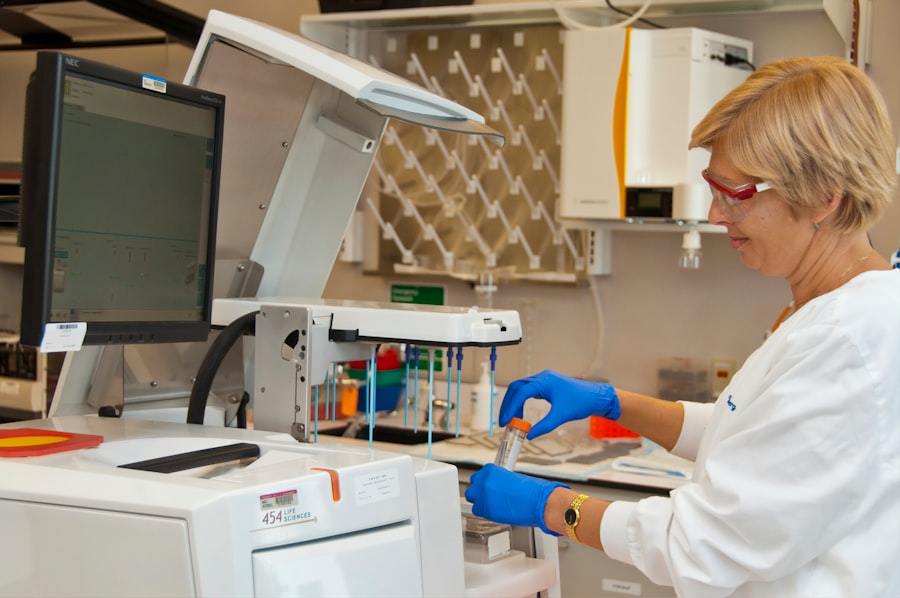
Clinical Research Scientists must possess a diverse skill set to navigate the multifaceted nature of their work. Strong analytical skills are paramount, as these professionals are tasked with interpreting complex data sets and drawing meaningful conclusions from their findings. They must be proficient in statistical analysis software and have a solid understanding of biostatistics to ensure that their analyses are robust and reliable.
Additionally, attention to detail is critical; even minor errors in data collection or analysis can lead to significant consequences in clinical research outcomes. Effective communication skills are equally important for Clinical Research Scientists. They must be able to convey complex scientific concepts clearly and concisely to various stakeholders, including regulatory agencies, funding bodies, and non-scientific audiences.
This often involves writing detailed reports, presenting findings at conferences, and collaborating with team members from diverse backgrounds. Furthermore, strong organizational skills are essential for managing multiple projects simultaneously while adhering to strict timelines and regulatory requirements. The ability to work well under pressure and adapt to changing circumstances is also vital in this fast-paced field.
Job Responsibilities and Duties of Clinical Research Scientists
The job responsibilities of Clinical Research Scientists are varied and encompass several key areas throughout the clinical trial process. One of their primary duties is to design and develop study protocols that outline the objectives, methodologies, and statistical analyses required for a clinical trial. This involves conducting thorough literature reviews to inform study design and ensure that the proposed research addresses relevant questions in the field.
Once the protocol is established, Clinical Research Scientists are responsible for obtaining necessary approvals from institutional review boards (IRBs) and ensuring compliance with ethical standards. During the execution of clinical trials, these scientists oversee data collection processes, monitor participant safety, and ensure adherence to regulatory guidelines. They may also be involved in training clinical staff on study protocols and procedures to maintain consistency across sites.
Data management is another critical aspect of their role; Clinical Research Scientists must ensure that data is accurately recorded, stored securely, and analyzed appropriately. After the completion of a trial, they analyze the results and prepare comprehensive reports that summarize findings for publication in scientific journals or presentation at conferences.
Career Opportunities and Advancement for Clinical Research Scientists
| Metric | Value | Notes |
|---|---|---|
| Average Salary | 95,000 | Annual median salary in USD |
| Job Growth Rate (2022-2032) | 8% | Projected increase in job opportunities |
| Top Employers | Pharmaceutical companies, Contract Research Organizations (CROs), Academic institutions | Common sectors hiring clinical research scientists |
| Required Education | Master’s or PhD in Life Sciences, Pharmacy, or related field | Typical educational qualifications |
| Key Skills | Clinical trial design, Data analysis, Regulatory compliance, Good Clinical Practice (GCP) | Essential skills for the role |
| Average Experience Required | 3-5 years | Experience in clinical research or related fields |
| Common Job Titles | Clinical Research Scientist, Clinical Trial Manager, Medical Science Liaison | Related positions in the field |
The field of clinical research offers numerous career opportunities for those interested in advancing their careers as Clinical Research Scientists. Entry-level positions may include roles such as Clinical Research Associate (CRA) or Clinical Trial Coordinator (CTC), where individuals gain valuable experience in managing clinical trials and interacting with study participants. As they accumulate experience and expertise, they may progress to more senior roles such as Senior Clinical Research Scientist or Project Manager, where they take on greater responsibilities in overseeing multiple studies or leading research teams.
For those seeking further advancement, opportunities exist in specialized areas such as regulatory affairs or pharmacovigilance. Some Clinical Research Scientists may choose to transition into roles within pharmaceutical companies or biotechnology firms, where they can influence drug development processes on a larger scale. Additionally, there is potential for career growth in academia or government research institutions, where scientists can engage in teaching or policy-making while continuing their research endeavors.
Networking within professional organizations and attending industry conferences can also facilitate career advancement by providing access to job openings and mentorship opportunities.
Work Environment and Conditions for Clinical Research Scientists

Clinical Research Scientists typically work in a variety of settings that may include academic institutions, pharmaceutical companies, contract research organizations (CROs), or government agencies. Their work environment can vary significantly depending on the nature of their projects; some may spend considerable time in laboratories conducting experiments or analyzing samples, while others may be involved in fieldwork at clinical sites where trials are being conducted. This diversity allows for a dynamic work experience that can be both intellectually stimulating and rewarding.
The conditions under which Clinical Research Scientists operate can also differ based on their specific roles. Those involved in laboratory research may work with sophisticated equipment and technologies under controlled conditions, while those managing clinical trials may spend time interacting with patients and healthcare providers in clinical settings. The job can involve long hours, particularly when deadlines approach or during critical phases of a trial.
However, many professionals find the challenges associated with this work to be fulfilling due to the potential impact on patient care and medical advancements.
Salary and Benefits for Clinical Research Scientist Jobs
The salary for Clinical Research Scientists can vary widely based on factors such as education level, years of experience, geographic location, and the specific industry in which they work. According to data from the Bureau of Labor Statistics (BLS), the median annual wage for medical scientists—including Clinical Research Scientists—was approximately $95,000 as of May 2022. Those working in pharmaceutical manufacturing tend to earn higher salaries compared to their counterparts in academic or government settings.
In addition to competitive salaries, many employers offer comprehensive benefits packages that may include health insurance, retirement plans, paid time off, and professional development opportunities. Some organizations also provide funding for continuing education or certification programs to help employees stay current with industry trends and advancements. The combination of salary and benefits makes careers in clinical research attractive for those seeking both financial stability and professional growth.
How to Find and Apply for Clinical Research Scientist Jobs
Finding and applying for Clinical Research Scientist positions requires a strategic approach that leverages various resources. Job seekers can begin by exploring online job boards specifically tailored to the healthcare and life sciences sectors. Websites such as Indeed, Glassdoor, or specialized platforms like BioSpace often list openings for Clinical Research Scientists across different organizations.
Networking within professional associations like ACRP or SoCRA can also provide valuable connections and insights into job opportunities that may not be publicly advertised. When applying for positions, candidates should tailor their resumes and cover letters to highlight relevant experience and skills that align with the job description. Emphasizing hands-on experience with clinical trials, data analysis capabilities, and any certifications obtained can enhance an application’s appeal.
Additionally, preparing for interviews by familiarizing oneself with common questions related to clinical research methodologies and ethical considerations will help candidates present themselves confidently during the hiring process. Engaging with industry professionals through informational interviews can also provide insights into specific organizations and help candidates stand out in a competitive job market.
