

A Clinical Research Associate (CRA) serves as a crucial link between clinical research teams and regulatory authorities in the oversight of clinical trials. CRAs monitor study progress, ensuring compliance with regulatory requirements, Good Clinical Practice (GCP) guidelines, and study protocols. Their work is vital for protecting trial participants’ rights and safety while maintaining data integrity.
CRAs typically work for pharmaceutical companies, contract research organizations (CROs), or academic institutions. Their responsibilities are comprehensive, including involvement in trial planning, protocol design, and research site selection. Their expertise helps navigate the complex landscape of clinical research, facilitating effective collaboration among investigators, site personnel, and regulatory bodies.
Key Takeaways
- Clinical Research Associates (CRAs) oversee clinical trials to ensure compliance and data integrity.
- Key responsibilities include monitoring trial progress, managing documentation, and liaising with study sites.
- Essential qualifications involve a background in life sciences, strong communication skills, and attention to detail.
- CRA roles vary from entry-level monitoring to specialized positions like lead CRA or project manager.
- Career growth is promising, with opportunities to advance through experience, certifications, and networking.

Responsibilities and duties of a Clinical Research Associate
The responsibilities of a Clinical Research Associate are extensive and varied, encompassing several key areas that ensure the successful execution of clinical trials. One of the primary duties is site management, which involves selecting and qualifying clinical trial sites, training site staff on study protocols, and ensuring that sites are adequately prepared to conduct the trial. CRAs conduct regular monitoring visits to these sites to assess compliance with the study protocol, GCP guidelines, and regulatory requirements.

During these visits, they review source documents, verify data accuracy, and ensure that informed consent has been obtained from participants. In addition to site management, CRAs are responsible for maintaining comprehensive documentation throughout the trial process. This includes preparing monitoring reports that detail findings from site visits, tracking study progress, and addressing any issues that may arise.
They also play a critical role in communication between the sponsor and the study sites, facilitating discussions about study progress, participant recruitment, and any challenges encountered during the trial. This communication is vital for ensuring that all parties are aligned and that any necessary adjustments to the study can be made promptly.
Qualifications and skills required for CRA jobs
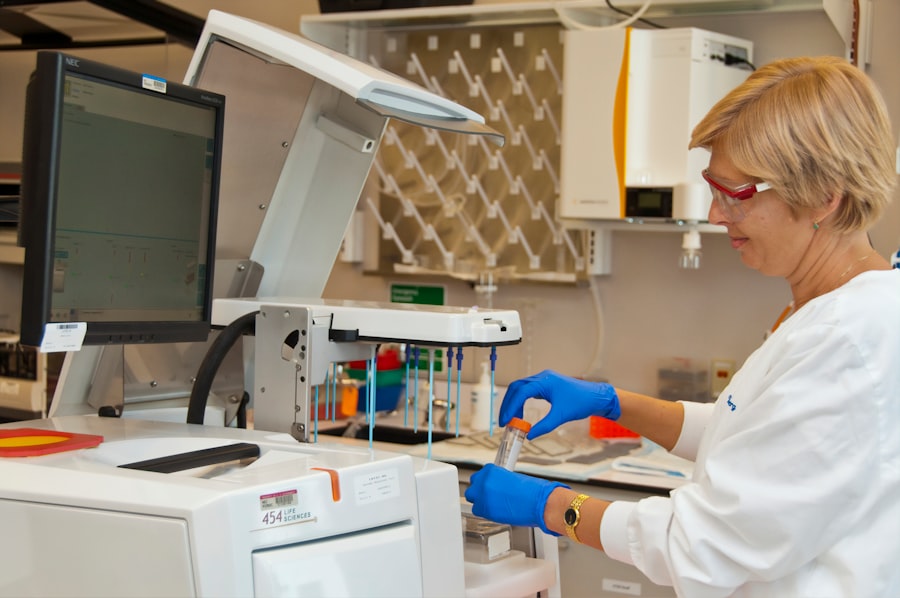
To become a successful Clinical Research Associate, candidates typically need a combination of educational qualifications and specific skills. A bachelor’s degree in life sciences, nursing, pharmacy, or a related field is often required. Many employers prefer candidates with advanced degrees or specialized training in clinical research.
Additionally, certification from recognized organizations such as the Association of Clinical Research Professionals (ACRP) or the Society of Clinical Research Associates (SoCRA) can enhance a candidate’s prospects in this competitive field. Beyond formal education, certain skills are essential for CRAs to excel in their roles. Strong analytical skills are crucial for interpreting complex data and identifying trends that may impact study outcomes.
Excellent communication skills are also vital, as CRAs must effectively convey information to diverse audiences, including site staff, sponsors, and regulatory agencies. Attention to detail is paramount in this role; CRAs must meticulously review documents and data to ensure accuracy and compliance. Furthermore, organizational skills are necessary to manage multiple projects simultaneously while adhering to strict timelines.
Different types of CRA jobs and their roles
The field of clinical research offers various types of CRA positions, each with distinct roles and responsibilities. One common type is the on-site CRA, who is responsible for monitoring clinical trial sites directly. These professionals travel frequently to various locations to conduct site visits, assess compliance with protocols, and provide training to site staff.
On-site CRAs often have hands-on involvement in the day-to-day operations of clinical trials. Another type is the remote CRA or home-based CRA, who performs many of their duties from a remote location rather than traveling to sites regularly. This role has gained popularity due to advancements in technology that allow for effective communication and data management from afar.
Remote CRAs may focus more on data review and analysis rather than direct site monitoring but still play a crucial role in ensuring compliance and data integrity. Additionally, there are specialized CRAs who focus on specific therapeutic areas or types of studies. For instance, oncology CRAs may have expertise in cancer-related trials, while pediatric CRAs specialize in studies involving children.
These specialized roles require in-depth knowledge of particular regulations and challenges associated with their respective fields.
Job opportunities and career growth in the field of clinical research
| Metric | Details |
|---|---|
| Job Title | Clinical Research Associate (CRA) |
| Average Salary Range | 60,000 – 90,000 per year |
| Typical Experience Required | 1-3 years in clinical research or related field |
| Educational Requirements | Bachelor’s degree in life sciences, nursing, or related field |
| Key Responsibilities | Monitoring clinical trials, ensuring compliance, data verification |
| Common Employers | Pharmaceutical companies, Contract Research Organizations (CROs), hospitals |
| Job Growth Outlook | 5-7% growth over next 10 years |
| Required Skills | Attention to detail, communication, regulatory knowledge, project management |
| Work Environment | Office and clinical site visits, travel required |
The demand for Clinical Research Associates continues to grow as the pharmaceutical industry expands its focus on developing new therapies and treatments. This growth translates into numerous job opportunities across various sectors, including pharmaceutical companies, biotechnology firms, CROs, and academic institutions. As clinical trials become increasingly complex and globalized, the need for skilled CRAs who can navigate these challenges is more critical than ever.
Career growth within this field can be substantial for those who demonstrate competence and dedication. Many CRAs start their careers in entry-level positions before advancing to senior CRA roles or project management positions within clinical research teams. With experience, some CRAs may transition into roles such as Clinical Trial Manager or Director of Clinical Operations.
Additionally, opportunities exist for CRAs to specialize further or move into regulatory affairs or quality assurance roles within the industry. Networking plays a significant role in career advancement for CRAs. Engaging with professional organizations such as ACRP or SoCRA can provide valuable resources for career development, including access to job boards, training programs, and industry conferences where professionals can connect with potential employers.
Challenges and rewards of working as a Clinical Research Associate

Working as a Clinical Research Associate comes with its own set of challenges that can test even the most seasoned professionals. One significant challenge is managing the complexities of multi-site trials, which often involve coordinating activities across various locations with different regulations and practices. This requires exceptional organizational skills and adaptability to navigate diverse environments effectively.
Another challenge is dealing with unexpected issues that may arise during a trial, such as participant recruitment difficulties or protocol deviations. CRAs must be prepared to address these challenges promptly while maintaining compliance with regulatory standards. The pressure to meet deadlines while ensuring data integrity can be intense, requiring CRAs to balance multiple priorities effectively.
Despite these challenges, many CRAs find their work incredibly rewarding. The opportunity to contribute to medical advancements and improve patient outcomes provides a strong sense of purpose. Being part of a team that brings new therapies to market can be fulfilling as CRAs witness firsthand how their efforts impact patients’ lives.
Additionally, the dynamic nature of clinical research offers continuous learning opportunities as new technologies and methodologies emerge.
How to find and apply for CRA job openings
Finding job openings for Clinical Research Associates can be approached through various channels. Online job boards such as Indeed, Glassdoor, and LinkedIn frequently list CRA positions across different organizations. Additionally, specialized job boards focused on clinical research careers can provide targeted listings that cater specifically to this field.
Networking is another effective strategy for discovering job opportunities. Attending industry conferences, workshops, or local chapter meetings organized by professional associations can help aspiring CRAs connect with industry professionals who may have insights into job openings or upcoming projects. Engaging with alumni networks from educational institutions can also yield valuable leads.
When applying for CRA positions, tailoring resumes and cover letters to highlight relevant experience is crucial. Candidates should emphasize their understanding of GCP guidelines, experience with clinical trial protocols, and any certifications they hold. Demonstrating strong communication skills and attention to detail in application materials can set candidates apart from others vying for similar positions.
Tips for success in the field of clinical research as a CRA
To thrive as a Clinical Research Associate, several strategies can enhance success in this demanding field. First and foremost is continuous education; staying updated on industry trends, regulatory changes, and advancements in clinical research methodologies is essential. Participating in workshops or obtaining additional certifications can bolster knowledge and credibility.
Building strong relationships with site staff and investigators is another critical factor for success. Establishing trust fosters open communication channels that facilitate problem-solving when challenges arise during trials. Being approachable and supportive can create a positive working environment that encourages collaboration.
Time management skills are vital for CRAs who often juggle multiple projects simultaneously. Developing effective organizational systems can help prioritize tasks and ensure deadlines are met without compromising quality. Utilizing project management tools or software can streamline workflows and enhance efficiency.
Lastly, cultivating resilience is essential in navigating the ups and downs inherent in clinical research. The ability to adapt to changing circumstances while maintaining focus on study objectives will serve CRAs well throughout their careers. Embracing challenges as opportunities for growth can lead to long-term success in this rewarding profession.
