

The clinical research industry has experienced substantial changes in recent years, driven primarily by the adoption of remote work practices. Remote clinical research positions have become an established employment option for healthcare professionals, enabling participation in essential medical studies and clinical trials without requiring physical presence in traditional laboratory or office settings. This transition has been facilitated by advances in digital technology, data collection systems, and communication platforms that support remote data gathering and analysis across multiple geographic locations.
Consequently, remote positions have gained recognition as effective alternatives that can improve operational efficiency and expand the geographic scope of clinical research initiatives. Remote clinical research positions include diverse functions such as data management, statistical analysis, patient recruitment, protocol development, and regulatory compliance oversight. These roles are available across multiple organizational types, including pharmaceutical companies, biotechnology firms, contract research organizations (CROs), academic medical centers, and government research institutions.

The remote work model provides professionals with increased scheduling flexibility and reduced commuting requirements while maintaining their contributions to medical research and drug development processes. As the pharmaceutical industry continues to pursue novel therapeutic interventions and the volume of clinical trials increases globally, the demand for qualified remote clinical research professionals continues to expand.
Key Takeaways
- Remote clinical research jobs offer flexible work opportunities outside traditional office settings.
- Key roles include data management, clinical trial coordination, and regulatory affairs.
- Essential skills involve strong communication, technical proficiency, and knowledge of clinical research protocols.
- Finding remote jobs requires leveraging specialized job boards, networking, and targeted applications.
- Success depends on self-discipline, effective time management, and adapting to evolving remote work technologies.
Advantages of Working Remotely in Clinical Research

One of the most significant advantages of remote work in clinical research is the flexibility it provides. Professionals can often set their own schedules, allowing them to work during their most productive hours. This flexibility can lead to improved job satisfaction and overall well-being, as individuals can better manage their time and commitments.
For instance, a clinical research associate may choose to conduct data analysis in the early morning when they are most alert, while reserving afternoons for meetings or collaborative projects. This adaptability can enhance productivity and foster a more positive work-life balance. Additionally, remote clinical research jobs can expand opportunities for professionals who may face geographical or logistical barriers in traditional roles.
Individuals living in rural areas or regions with limited access to research institutions can now participate in high-level clinical studies without the need for relocation. This democratization of access not only benefits researchers but also enriches the diversity of perspectives and experiences within clinical trials. By incorporating a broader range of participants, studies can yield more comprehensive and applicable results, ultimately leading to better healthcare outcomes.
Types of Remote Clinical Research Jobs
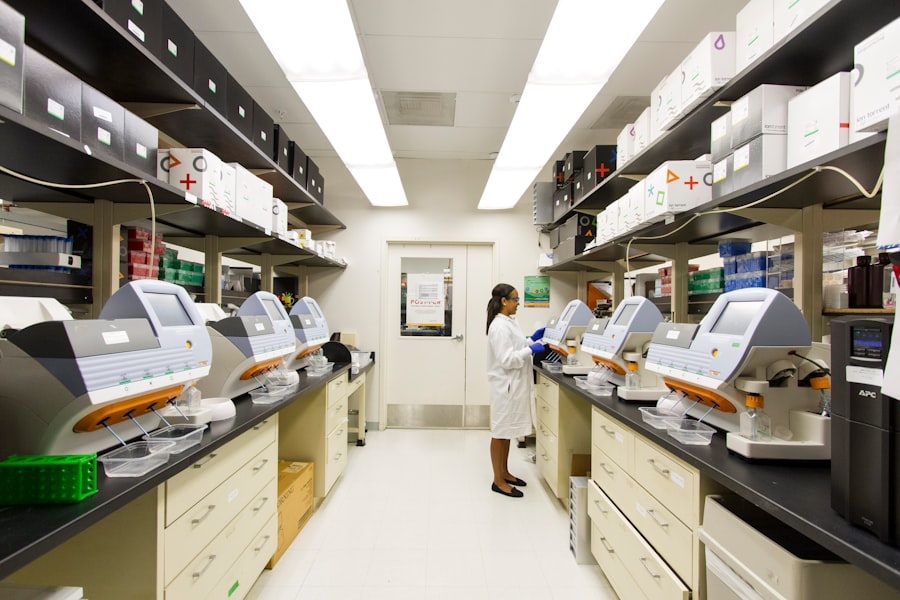
The realm of remote clinical research encompasses a variety of roles, each with its own unique responsibilities and requirements. Clinical research associates (CRAs) are among the most common positions, tasked with monitoring clinical trials to ensure compliance with regulatory standards and protocols. They may conduct site visits remotely, utilizing video conferencing tools to communicate with site staff and assess trial progress.
This role is crucial for maintaining the integrity of clinical studies while allowing CRAs the flexibility to work from home. Another prominent position is that of a data manager or biostatistician, who is responsible for analyzing data collected during trials. These professionals utilize statistical software to interpret complex datasets, drawing meaningful conclusions that inform future research directions.
The ability to work remotely is particularly advantageous for data managers, as they often require access to specialized software and databases that can be accessed from various locations. Furthermore, remote positions in regulatory affairs are also on the rise, where professionals ensure that all aspects of clinical trials adhere to legal and ethical standards. These roles often involve extensive documentation and communication with regulatory bodies, making remote work an efficient option.
Skills and Qualifications Needed for Remote Clinical Research Jobs
To excel in remote clinical research positions, candidates must possess a combination of technical skills and soft skills. A strong foundation in scientific principles and methodologies is essential, as many roles require an understanding of clinical trial design, data collection techniques, and statistical analysis. For instance, a candidate applying for a biostatistician role should be proficient in statistical software such as SAS or R, as well as have a solid grasp of biostatistics concepts.
In addition to technical expertise, effective communication skills are paramount in remote settings. Since much of the collaboration occurs through digital platforms, professionals must be adept at conveying complex information clearly and concisely. This includes writing detailed reports, participating in virtual meetings, and providing feedback to colleagues across various departments.
Moreover, strong organizational skills are crucial for managing multiple tasks and deadlines independently. Remote workers must be self-motivated and disciplined, as they often lack the structure provided by a traditional office environment.
How to Find Remote Clinical Research Jobs
| Job Title | Average Salary | Experience Required | Key Skills | Remote Availability | Typical Employers |
|---|---|---|---|---|---|
| Clinical Research Associate (CRA) | 85,000 – 110,000 | 2-5 years | Monitoring, GCP, Data Management | High | Pharmaceutical Companies, CROs |
| Clinical Data Manager | 75,000 – 100,000 | 3-6 years | Data Analysis, SAS, EDC Systems | Moderate | Biotech Firms, Research Institutions |
| Regulatory Affairs Specialist | 80,000 – 105,000 | 4-7 years | Regulatory Submissions, FDA Guidelines | Moderate | Pharma, Medical Device Companies |
| Clinical Project Manager | 95,000 – 130,000 | 5-8 years | Project Management, Budgeting, Leadership | High | CROs, Pharma Companies |
| Medical Writer | 70,000 – 95,000 | 2-5 years | Scientific Writing, Regulatory Knowledge | Very High | Publishing, Pharma, CROs |
Finding remote clinical research jobs requires a strategic approach that leverages various resources and networks. Job boards specifically tailored to the healthcare and clinical research sectors can be invaluable tools for job seekers. Websites such as ClinicalTrials.gov or specialized platforms like BioSpace often list remote opportunities alongside traditional positions.
Additionally, general job search engines like LinkedIn or Indeed allow users to filter results by remote work options, making it easier to identify suitable roles. Networking plays a critical role in uncovering hidden job opportunities within the clinical research field. Engaging with professional organizations such as the Association of Clinical Research Professionals (ACRP) or the Society of Clinical Research Associates (SoCRA) can provide access to exclusive job listings and industry insights.
Attending virtual conferences or webinars can also facilitate connections with industry leaders and potential employers. Furthermore, maintaining an active online presence through platforms like LinkedIn can help professionals showcase their expertise and attract recruiters looking for qualified candidates.
Challenges of Working Remotely in Clinical Research
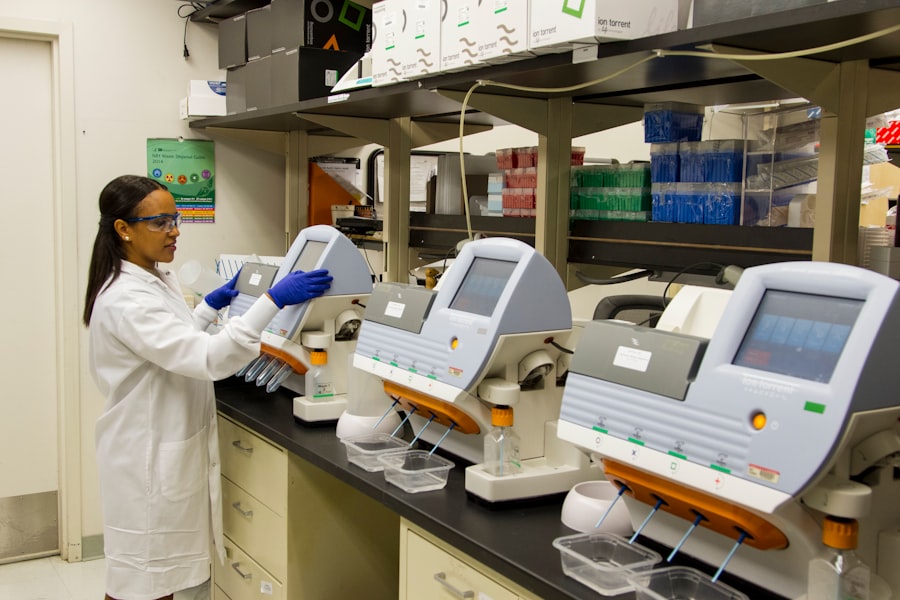
While remote clinical research jobs offer numerous benefits, they also present unique challenges that professionals must navigate. One significant hurdle is the potential for isolation and disconnection from colleagues. In traditional office settings, spontaneous interactions and informal discussions often lead to collaboration and idea-sharing.
Remote workers may miss out on these opportunities, which can hinder teamwork and innovation. To combat this isolation, it is essential for remote professionals to proactively engage with their peers through regular check-ins and virtual team-building activities. Another challenge is the need for self-discipline and time management skills.
Without the structure of an office environment, some individuals may struggle to maintain productivity or become easily distracted by household responsibilities. Establishing a dedicated workspace and setting clear boundaries between work and personal life can help mitigate these issues. Additionally, remote workers must be adept at using technology effectively; technical difficulties can disrupt workflows and lead to frustration if not managed properly.
Tips for Success in Remote Clinical Research Jobs
To thrive in remote clinical research roles, professionals should adopt several best practices that enhance productivity and collaboration. First and foremost, establishing a structured daily routine can provide a sense of normalcy and focus. Setting specific working hours, taking regular breaks, and creating a checklist of tasks can help individuals stay organized and motivated throughout the day.
Effective communication is another critical component of success in remote settings. Utilizing various communication tools—such as email, instant messaging platforms like Slack, or video conferencing software—can facilitate collaboration among team members. Regularly scheduled meetings can ensure that everyone is aligned on project goals and timelines while providing opportunities for feedback and discussion.
Additionally, investing in professional development is essential for staying competitive in the ever-evolving field of clinical research. Pursuing certifications or attending workshops related to remote work best practices or emerging trends in clinical research can enhance one’s skill set and open doors to new opportunities.
Future Trends in Remote Clinical Research Jobs
The future of remote clinical research jobs appears promising as organizations increasingly recognize the benefits of flexible work arrangements. One notable trend is the growing reliance on digital health technologies, such as telemedicine platforms and mobile health applications, which facilitate patient engagement and data collection from diverse populations. These innovations not only streamline processes but also enhance the quality of data collected during trials.
Moreover, as regulatory bodies adapt to the changing landscape of clinical research, there may be an increase in hybrid models that combine remote work with on-site responsibilities. This approach allows for greater flexibility while ensuring that essential aspects of trial oversight are maintained. As companies continue to invest in technology-driven solutions, remote clinical research jobs will likely become more sophisticated, requiring professionals to stay abreast of new tools and methodologies.
In conclusion, the evolution of remote clinical research jobs reflects broader changes within the workforce landscape. As technology continues to advance and organizations embrace flexible work arrangements, professionals in this field will find themselves at the forefront of innovation in healthcare research.
