
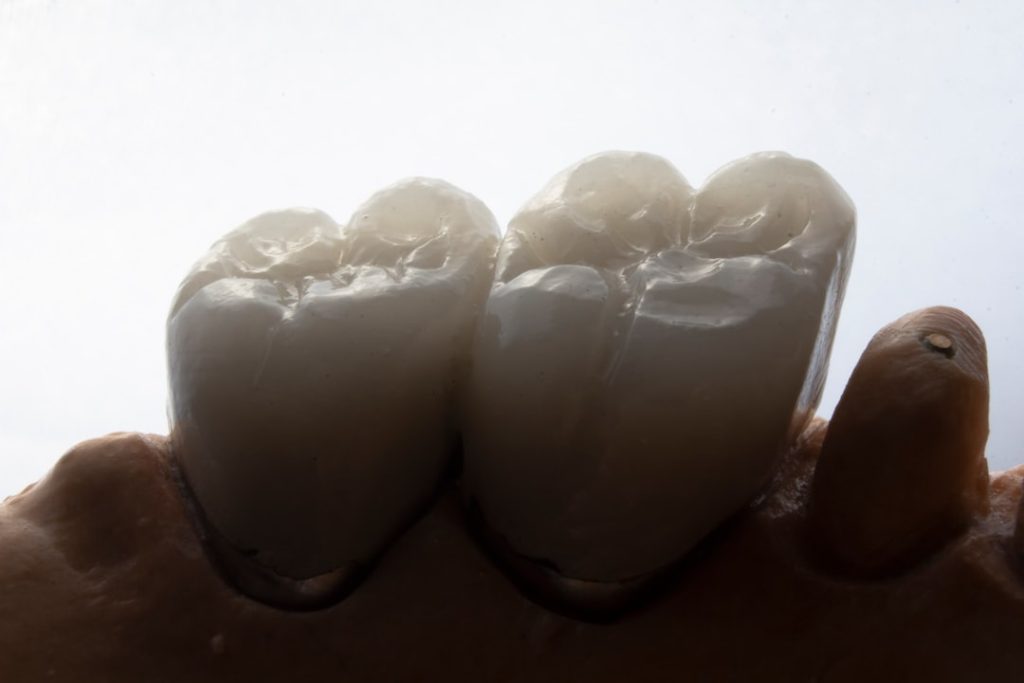
Dental implants are titanium-based artificial tooth roots surgically inserted into the jawbone to replace missing teeth. These devices restore both function and appearance while preventing jawbone deterioration that occurs following tooth loss. The implant provides a stable base for prosthetic teeth including crowns, bridges, or dentures, enabling normal chewing and speaking abilities.
The implant placement procedure begins with comprehensive dental evaluation, including X-rays or CT scans to assess bone density and oral health status. Suitable candidates undergo surgical implant placement into the jawbone. Following surgery, osseointegration occurs over several months, during which the bone tissue grows around and bonds with the titanium implant surface.

After complete healing, a connecting piece called an abutment is attached to the implant, and a custom-fabricated crown designed to match adjacent teeth is secured to complete the restoration.
Key Takeaways
- Dental implants are a modern solution for replacing missing teeth, offering improved function and appearance.
- Participating in clinical trials can provide access to free dental implants and cutting-edge treatments.
- Finding local clinical trials involves researching online databases and contacting dental research centers.
- Candidates for trials must meet specific health criteria and be prepared for thorough screening and follow-up.
- Understanding the risks and benefits, as well as researching the trial facility, is crucial before enrolling in a dental implant study.
The Benefits of Participating in a Clinical Trial for Dental Implants

Participating in a clinical trial for dental implants can offer numerous advantages beyond just access to cutting-edge treatments. One of the most significant benefits is the opportunity to receive advanced dental care at little to no cost. Many clinical trials are designed to evaluate new techniques, materials, or technologies in dental implantology, which means participants may benefit from innovative approaches that are not yet widely available.
This can be particularly appealing for individuals who may not have the financial means to afford traditional dental procedures. Moreover, clinical trials often provide participants with comprehensive care and monitoring throughout the study period. This includes regular check-ups and assessments by experienced dental professionals who specialize in implant dentistry.
Such close supervision can lead to better outcomes and a higher level of care than what might be available in a standard dental practice. Additionally, participants contribute to valuable research that can improve future treatments for others facing similar dental issues, making their involvement not only beneficial for themselves but also for the broader community.
How to Find Free Dental Implants Clinical Trials Near You

Finding free dental implants clinical trials in your area can be a straightforward process if you know where to look. One of the most effective resources is clinical trial registries, such as ClinicalTrials.gov, which is maintained by the U.S. National Library of Medicine. This database allows users to search for ongoing studies based on specific criteria, including location, condition being treated, and type of intervention. By entering relevant keywords like “dental implants” and filtering results by geographic area, individuals can identify trials that may be recruiting participants nearby. In addition to online registries, local dental schools and universities often conduct clinical trials as part of their research initiatives. These institutions frequently seek volunteers for studies involving new dental technologies or techniques. Contacting dental schools directly or visiting their websites can provide information about current trials and eligibility requirements. Furthermore, networking with local dental professionals can yield insights into upcoming studies or trials that may not yet be widely advertised.
What to Expect During a Dental Implants Clinical Trial
When participating in a dental implants clinical trial, individuals can expect a structured process that includes several key phases. Initially, participants will undergo a screening process to determine their eligibility based on specific criteria such as age, health status, and dental condition. This may involve comprehensive examinations and diagnostic imaging to assess oral health and bone density.
Once accepted into the trial, participants will receive detailed information about the study’s objectives, procedures, and any potential risks involved. Throughout the trial, participants will likely attend regular appointments for monitoring and follow-up care. These visits may include assessments of healing progress, evaluations of implant stability, and adjustments to treatment protocols as necessary.
Depending on the nature of the trial, participants may also be required to complete questionnaires or provide feedback on their experiences with the implants. This data is crucial for researchers as it helps evaluate the effectiveness and safety of new treatments or technologies being tested.
Are You a Candidate for Free Dental Implants Clinical Trials?
| Clinical Trial Name | Location | Eligibility Criteria | Number of Participants | Trial Phase | Contact Information | Enrollment Status |
|---|---|---|---|---|---|---|
| Advanced Dental Implant Study | New York, NY | Adults 18-65, missing 1 or more teeth, good oral health | 100 | Phase 2 | contact@nydentaltrials.org | Recruiting |
| Osseointegration Improvement Trial | Los Angeles, CA | Adults 21-70, non-smokers, no uncontrolled diabetes | 75 | Phase 3 | info@laimplantstudy.com | Recruiting |
| Mini Dental Implants Evaluation | Chicago, IL | Adults 25-60, missing lower molars, no periodontal disease | 50 | Phase 1 | trial@chicagodentalresearch.org | Not Recruiting |
| Immediate Load Implant Clinical Trial | Houston, TX | Adults 30-65, good bone density, no prior implant failure | 120 | Phase 2 | houstonimplants@clinicaltrials.com | Recruiting |
| Bone Grafting and Implant Success Study | Miami, FL | Adults 18-70, requiring bone graft, no systemic illness | 80 | Phase 3 | miamidentaltrials@healthmail.com | Recruiting |
Determining whether you are a candidate for free dental implants clinical trials involves several factors that researchers consider when selecting participants. Generally, eligibility criteria are established based on the specific goals of the study and may include age restrictions, overall health conditions, and specific dental issues such as gum disease or bone loss. For instance, some trials may focus on individuals who have lost teeth due to periodontal disease, while others might target those with congenital defects affecting tooth development.
Additionally, researchers often seek participants who are willing to adhere to study protocols and attend follow-up appointments regularly. This commitment is essential for ensuring accurate data collection and monitoring of outcomes throughout the trial period. Individuals with certain medical conditions or those currently undergoing other dental treatments may be excluded from participation to minimize variables that could affect study results.
Therefore, it is crucial for potential candidates to discuss their medical history and current health status with their dental provider before enrolling in a clinical trial.
The Importance of Researching the Dental Implants Clinical Trial Facility
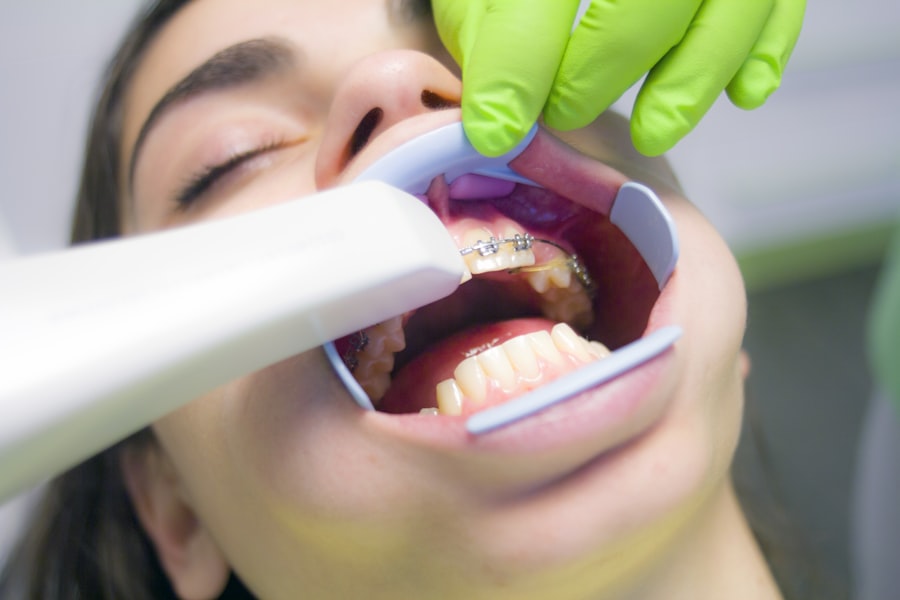
Before committing to a dental implants clinical trial, it is vital to thoroughly research the facility conducting the study. The reputation and credentials of the institution can significantly impact both the quality of care received and the overall experience during the trial. Look for facilities affiliated with reputable universities or hospitals known for their research in dentistry.
These institutions typically adhere to strict ethical standards and regulatory guidelines when conducting clinical trials. In addition to institutional reputation, it is essential to evaluate the qualifications and experience of the dental professionals involved in the trial. Investigate their backgrounds in implant dentistry and any previous research they have conducted in this field.
Reading reviews or testimonials from past participants can also provide valuable insights into what one might expect during the trial process. A well-regarded facility with experienced staff can enhance confidence in the safety and efficacy of the treatment being studied.
Tips for Preparing for Your Free Dental Implants Clinical Trial
Preparation is key when entering a clinical trial for dental implants to ensure a smooth experience and optimal outcomes. First and foremost, potential participants should gather all relevant medical records and documentation regarding their dental history. This information will assist researchers in understanding individual health backgrounds and tailoring treatment plans accordingly.
Additionally, being open about any medications currently being taken or underlying health conditions is crucial for ensuring safety during the trial. Another important aspect of preparation involves setting realistic expectations about what participation entails. Understanding that clinical trials may involve additional appointments or procedures compared to standard treatments can help individuals mentally prepare for the commitment required.
It is also advisable to arrange transportation for follow-up visits if necessary, as some trials may require frequent attendance at the facility for monitoring purposes. Finally, maintaining open communication with both researchers and personal healthcare providers throughout the trial can facilitate a positive experience.
The Potential Risks and Rewards of Participating in a Dental Implants Clinical Trial
As with any medical intervention, participating in a dental implants clinical trial comes with its own set of potential risks and rewards that individuals should carefully consider before enrolling. On one hand, participants may experience access to innovative treatments that could lead to improved outcomes compared to traditional methods. Additionally, many trials offer comprehensive care at little or no cost, making advanced dental solutions more accessible for those who might otherwise struggle financially.
Conversely, there are inherent risks associated with being part of a clinical trial. Since these studies often involve new techniques or materials that have not yet been fully vetted through extensive research, there may be unknown side effects or complications that arise during treatment. Participants should be aware that they may not receive immediate benefits from their involvement and that outcomes can vary significantly among individuals.
It is essential for prospective participants to weigh these factors carefully and engage in thorough discussions with their healthcare providers before making a decision about joining a clinical trial for dental implants.
