
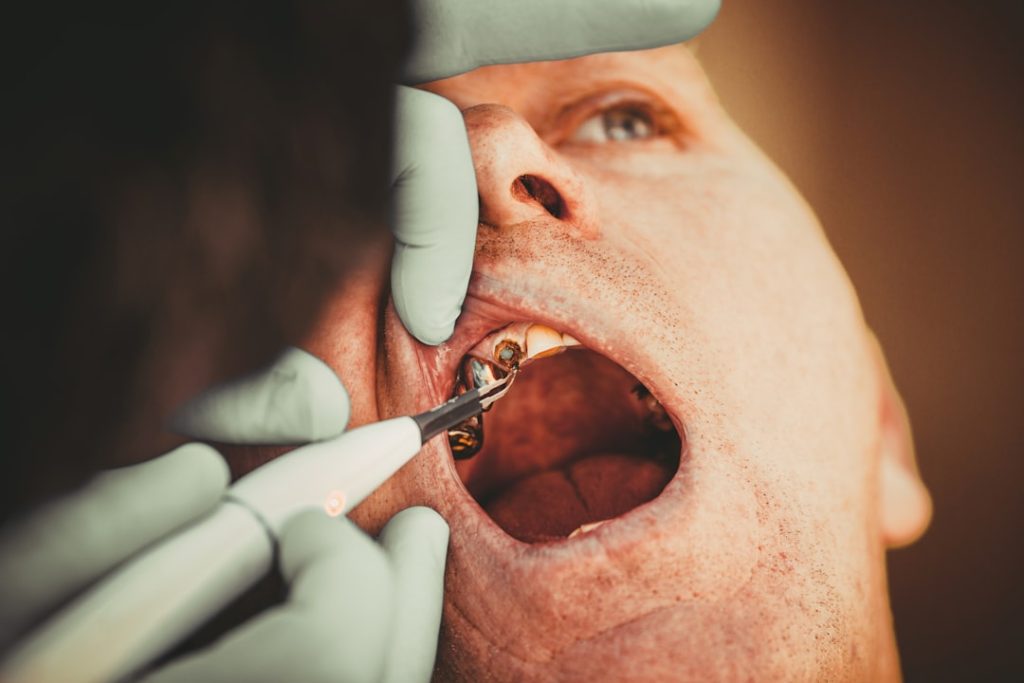
Dental implant clinical trials are structured research studies designed to evaluate the safety, efficacy, and overall effectiveness of new dental implant technologies, procedures, or materials. These trials are essential for advancing the field of dentistry, as they provide critical data that can lead to improved patient outcomes and innovative treatment options. Participants in these trials may receive cutting-edge treatments that are not yet available to the general public, often under the supervision of leading dental professionals and researchers.
The trials can vary significantly in scope and design. Some may focus on specific types of implants, such as those made from novel materials or those designed for particular patient demographics. Others might investigate new surgical techniques or post-operative care protocols.

By participating in these trials, individuals contribute to the body of knowledge that informs best practices in dental implantology, potentially benefiting future patients who require similar treatments.
Key Takeaways
- Dental implant clinical trials test new treatments to improve dental implant success and safety.
- Finding trials involves searching clinical trial registries and consulting dental professionals.
- Eligibility depends on specific health criteria and dental conditions set by each trial.
- Participants may benefit from advanced treatments and receive compensation for their involvement.
- Understanding potential risks and trial procedures is crucial before enrolling in a dental implant study.
How to Find Dental Implant Clinical Trials

Finding dental implant clinical trials can be a straightforward process if one knows where to look. A primary resource is the ClinicalTrials.gov database, a comprehensive registry maintained by the U.S. National Library of Medicine. This platform allows users to search for ongoing and completed clinical trials by entering relevant keywords, such as “dental implants,” along with filters for location, phase of the trial, and eligibility criteria. This database is invaluable for patients seeking to understand what studies are available in their area or those that align with their specific needs. In addition to online databases, local dental schools and research institutions often conduct clinical trials and may have information available on their websites or through direct inquiry. Many universities with dental programs actively engage in research and may be looking for participants for their studies. Networking with dental professionals can also yield insights into upcoming trials, as dentists often stay informed about the latest research developments and may refer patients to relevant studies.
Eligibility for Dental Implant Clinical Trials

Eligibility criteria for dental implant clinical trials can vary widely depending on the specific study’s goals and design. Common factors that determine eligibility include age, overall health status, dental health condition, and previous dental treatments. For instance, some trials may only accept participants who are missing one or more teeth due to specific conditions, while others might focus on individuals with certain systemic health issues that could affect healing.
Moreover, researchers often seek a diverse participant pool to ensure that findings are applicable across different demographics. This means that factors such as ethnicity, gender, and socioeconomic status may also play a role in eligibility. Potential participants should carefully review the inclusion and exclusion criteria outlined in the trial description to determine if they qualify.
Consulting with a healthcare provider can also provide clarity on whether participation is advisable based on individual health circumstances.
Benefits of Participating in Dental Implant Clinical Trials
Participating in dental implant clinical trials offers several potential benefits for individuals considering dental implants. One of the most significant advantages is access to innovative treatments that may not yet be available through standard dental practices. Participants may receive cutting-edge implants or techniques that could enhance their treatment experience and outcomes.
This access can be particularly appealing for those who have not found success with traditional options. Additionally, participants often receive comprehensive dental care throughout the trial period at no cost. This includes pre-operative assessments, the surgical procedure itself, and follow-up visits to monitor healing and implant success.
Such thorough care can alleviate financial burdens associated with dental procedures while ensuring that participants receive high-quality treatment from experienced professionals. Furthermore, being part of a clinical trial allows individuals to contribute to scientific research that could improve dental care for future patients, providing a sense of purpose and involvement in advancing medical knowledge.
Risks and Considerations for Dental Implant Clinical Trials
| Trial Phase | Number of Participants | Average Compensation (USD) | Duration (Months) | Primary Outcome Measure | Location |
|---|---|---|---|---|---|
| Phase 1 | 30 | 1500 | 3 | Safety and Tolerability | USA |
| Phase 2 | 75 | 3000 | 6 | Implant Stability | Germany |
| Phase 3 | 200 | 5000 | 12 | Long-term Success Rate | UK |
| Phase 4 | 150 | 2500 | 18 | Post-market Surveillance | Canada |
While there are numerous benefits to participating in dental implant clinical trials, it is essential to consider the potential risks involved. One primary concern is the uncertainty surrounding new treatments or procedures being tested. Since these interventions may not have been widely used or studied before, there could be unforeseen complications or side effects that arise during or after the trial.
Participants must weigh these risks against the potential benefits and make informed decisions about their involvement. Another consideration is the time commitment required for participation. Clinical trials often involve multiple visits over an extended period, which can be challenging for individuals with busy schedules or those who live far from the trial site.
Additionally, participants may need to adhere to specific protocols or restrictions during the study, such as dietary limitations or follow-up appointments that could disrupt their daily routines. Understanding these commitments is crucial for anyone considering participation in a clinical trial.
How to Get Paid for Participating in Dental Implant Clinical Trials
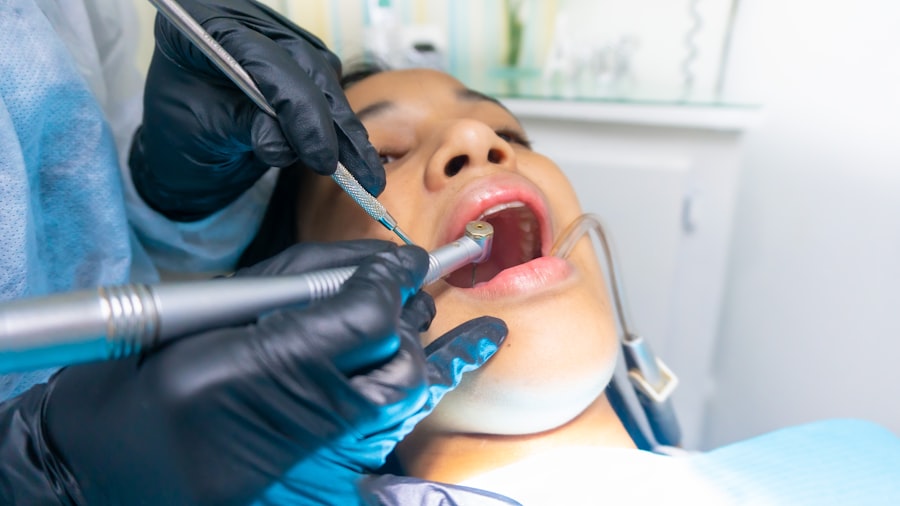
Compensation for participating in dental implant clinical trials can vary significantly depending on the study’s funding sources and design. Some trials offer financial compensation for participants’ time and travel expenses, while others may provide free dental care as a form of remuneration. The amount of compensation can also differ based on the complexity of the trial and the number of visits required.
To find out about compensation details, potential participants should inquire directly with the trial coordinators during the recruitment process. They can provide specific information regarding any financial incentives or reimbursements available for participants. It is important for individuals to understand these aspects before committing to a trial, as financial considerations can play a significant role in the decision-making process.
What to Expect During Dental Implant Clinical Trials
Individuals who participate in dental implant clinical trials can expect a structured process that typically begins with an initial screening visit. During this visit, researchers will assess eligibility through medical history evaluations, physical examinations, and diagnostic imaging such as X-rays or CT scans. This thorough assessment ensures that participants meet the criteria necessary for safe involvement in the study.
Once enrolled, participants will undergo the designated treatment protocol outlined in the trial’s design. This may include receiving a new type of dental implant or undergoing a novel surgical technique. Throughout the trial period, participants will have regular follow-up appointments to monitor their progress and address any concerns that may arise.
These visits are crucial for collecting data on treatment outcomes and ensuring participant safety. Participants should be prepared for a commitment that may last several months or even years, depending on the study’s duration.
The Future of Dental Implant Research
The future of dental implant research holds great promise as advancements in technology and materials continue to evolve. Researchers are increasingly exploring biocompatible materials that promote better integration with bone tissue and reduce healing times. Innovations such as 3D printing are also making waves in implant design, allowing for customized solutions tailored to individual patient anatomies.
Moreover, ongoing studies are likely to focus on improving patient outcomes through enhanced surgical techniques and post-operative care protocols. As more data becomes available from clinical trials, practitioners will be better equipped to make evidence-based decisions regarding treatment options for their patients. The integration of artificial intelligence and machine learning into research methodologies may further accelerate advancements in this field by enabling more precise predictions about treatment success based on patient-specific factors.
In conclusion, dental implant clinical trials represent a vital component of ongoing research aimed at improving dental care practices. By understanding what these trials entail, how to find them, eligibility requirements, benefits and risks associated with participation, compensation opportunities, expectations during the process, and future research directions, individuals can make informed decisions about their involvement in advancing dental implant technology and treatment methodologies.
