

The landscape of clinical trials has undergone a significant transformation over the past few decades, driven by technological advancements and the increasing complexity of medical research. Advanced systems in clinical trials encompass a range of innovative tools and methodologies designed to enhance the efficiency, accuracy, and overall effectiveness of clinical research. These systems include electronic data capture (EDC), patient management systems, and advanced analytics platforms, all of which play a crucial role in modernizing the clinical trial process.
As the demand for faster and more reliable results grows, the integration of these advanced systems has become essential for researchers, sponsors, and regulatory bodies alike. The adoption of advanced systems is not merely a trend; it represents a paradigm shift in how clinical trials are designed, executed, and monitored. Traditional methods often relied on paper-based processes that were time-consuming and prone to errors.

In contrast, advanced systems leverage digital technologies to streamline operations, improve data accuracy, and facilitate real-time decision-making. This evolution is particularly important in an era where the speed of drug development can significantly impact patient outcomes and market competitiveness. By embracing these advanced systems, stakeholders in clinical trials can better navigate the complexities of modern research while ensuring compliance with regulatory standards.
Key Takeaways
- Advanced systems significantly improve efficiency and accuracy in clinical trial processes.
- They streamline data collection, management, and enhance data quality and integrity.
- These systems boost participant recruitment and retention through better engagement tools.
- Advanced monitoring and oversight capabilities lead to more effective trial management.
- Integration with regulatory compliance ensures smoother reporting and adherence to standards.
Benefits of Implementing Advanced Systems in Clinical Trials

The implementation of advanced systems in clinical trials offers a multitude of benefits that extend beyond mere operational efficiency. One of the most significant advantages is the enhancement of data accuracy and reliability. Traditional data collection methods often involve manual entry, which can lead to transcription errors and inconsistencies.
Advanced systems, such as electronic data capture platforms, automate data collection processes, reducing the likelihood of human error and ensuring that the data collected is both accurate and consistent. This improvement in data quality is critical for the integrity of trial results and can ultimately influence regulatory approval. Moreover, advanced systems facilitate better collaboration among stakeholders involved in clinical trials.
With cloud-based platforms and integrated communication tools, researchers, sponsors, and regulatory bodies can share information seamlessly and in real-time. This collaborative environment fosters transparency and allows for quicker decision-making, which is essential in addressing any issues that may arise during the trial process. Enhanced communication also helps to align the objectives of various stakeholders, ensuring that everyone is working towards a common goal—successful trial completion and patient safety.
Streamlining Data Collection and Management with Advanced Systems
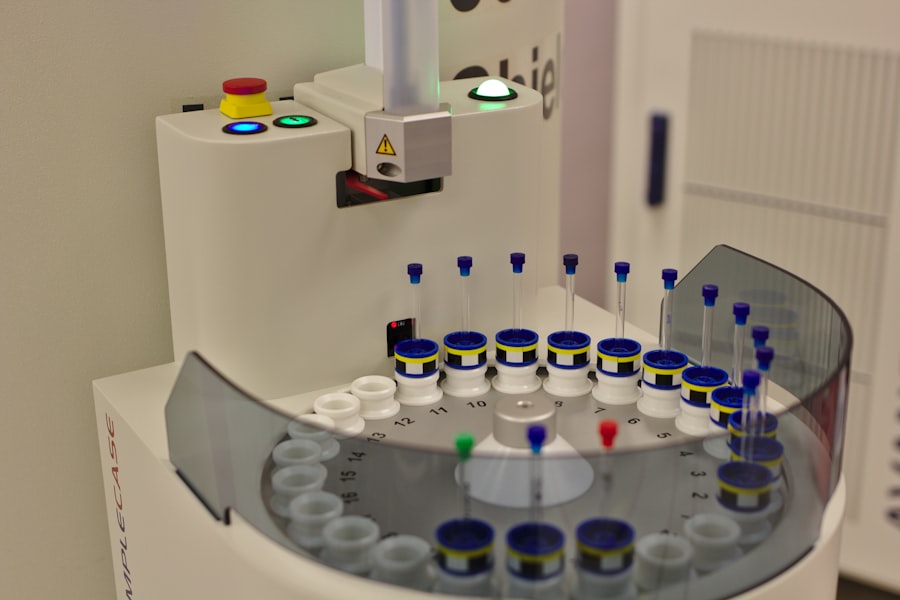
Data collection and management are at the heart of any clinical trial, and advanced systems have revolutionized these processes. Electronic data capture (EDC) systems have replaced traditional paper forms, allowing for more efficient data entry and retrieval. These systems enable researchers to design customizable electronic case report forms (eCRFs) that can be tailored to specific study protocols.
This flexibility not only enhances the user experience for site staff but also ensures that the data collected aligns closely with the study’s objectives. In addition to improving data entry processes, advanced systems also provide robust data management capabilities. With integrated databases and analytics tools, researchers can monitor data quality in real-time, identifying discrepancies or anomalies as they occur.
This proactive approach to data management allows for timely interventions, reducing the risk of data integrity issues that could compromise trial outcomes. Furthermore, advanced systems often include automated reporting features that streamline the generation of interim analyses and final reports, significantly reducing the time required to compile and present findings.
Enhancing Participant Recruitment and Retention through Advanced Systems
Participant recruitment and retention are critical factors that can determine the success or failure of a clinical trial. Advanced systems play a pivotal role in enhancing these aspects by utilizing technology to identify and engage potential participants more effectively. For instance, patient recruitment platforms leverage algorithms to match eligible candidates with ongoing trials based on their medical history and demographic information.
This targeted approach not only increases the likelihood of finding suitable participants but also reduces the time spent on recruitment efforts. Retention strategies are equally important in maintaining participant engagement throughout the trial duration. Advanced systems often incorporate mobile applications or web portals that allow participants to track their progress, receive reminders for appointments or medication adherence, and communicate directly with study coordinators.
By providing participants with easy access to information and support, these systems foster a sense of involvement and commitment to the study. Additionally, incorporating telehealth solutions can facilitate remote monitoring and consultations, making it easier for participants to remain engaged without the burden of frequent site visits.
Improving Trial Monitoring and Oversight with Advanced Systems
| Metric | Description | Typical Value / Range | Importance |
|---|---|---|---|
| Patient Enrollment Rate | Number of patients enrolled per month | 10 – 100 patients/month | High – impacts trial timelines |
| Data Entry Accuracy | Percentage of error-free data entries | 95% – 99.9% | Critical for data integrity |
| Query Resolution Time | Average time to resolve data queries | 1 – 5 days | Medium – affects data cleaning speed |
| Protocol Deviation Rate | Percentage of deviations from protocol | 0.5% – 5% | High – impacts trial validity |
| System Uptime | Percentage of time system is operational | 99.5% – 99.99% | High – ensures continuous access |
| Adverse Event Reporting Time | Time from event occurrence to reporting | 24 – 72 hours | Critical for patient safety |
| Data Lock Time | Time from last patient visit to database lock | 2 – 6 weeks | High – affects study closeout |
Effective trial monitoring is essential for ensuring compliance with regulatory requirements and maintaining participant safety. Advanced systems enhance monitoring capabilities by providing real-time access to trial data and performance metrics. Centralized dashboards allow study monitors to track key performance indicators (KPIs) such as enrollment rates, adverse events, and protocol deviations at a glance.
This visibility enables timely interventions when issues arise, ensuring that trials remain on track and within compliance. Moreover, advanced systems facilitate remote monitoring through risk-based approaches that prioritize oversight based on identified risks rather than a one-size-fits-all strategy. By focusing resources on high-risk sites or participants, sponsors can optimize their monitoring efforts while maintaining compliance with regulatory standards.
This shift not only improves efficiency but also enhances the overall quality of oversight by allowing monitors to concentrate on areas that require more attention.
Ensuring Data Quality and Integrity with Advanced Systems

Data quality and integrity are paramount in clinical trials, as they directly impact the validity of study results and subsequent regulatory approvals. Advanced systems are designed with built-in features that enhance data quality through automated validation checks and real-time monitoring capabilities. For example, EDC systems can flag inconsistencies or outliers during data entry, prompting researchers to review entries before final submission.
This immediate feedback loop helps maintain high standards of data integrity throughout the trial process. Additionally, advanced systems often incorporate audit trails that document every change made to the data, providing a comprehensive record of all modifications. This transparency is crucial for regulatory compliance, as it allows sponsors to demonstrate adherence to Good Clinical Practice (GCP) guidelines.
By ensuring that all data is traceable and verifiable, advanced systems bolster confidence in trial results among stakeholders, including regulatory agencies, sponsors, and the scientific community.
Integrating Advanced Systems with Regulatory Compliance and Reporting
Navigating the complex landscape of regulatory compliance is a significant challenge for clinical trial sponsors. Advanced systems are designed to facilitate this process by integrating compliance requirements into their workflows. For instance, many EDC platforms are equipped with features that automatically generate reports aligned with regulatory standards such as those set forth by the FDA or EMThis automation reduces the administrative burden on research teams while ensuring that all necessary documentation is prepared accurately and submitted on time.
Furthermore, advanced systems support real-time tracking of compliance metrics throughout the trial lifecycle. By continuously monitoring adherence to protocols and regulatory requirements, sponsors can identify potential compliance issues early on and take corrective actions as needed. This proactive approach not only mitigates risks associated with non-compliance but also enhances overall trial efficiency by minimizing delays related to regulatory submissions or audits.
Future Trends and Innovations in Advanced Systems for Clinical Trials
As technology continues to evolve at a rapid pace, so too will the landscape of clinical trials. Future trends indicate an increasing reliance on artificial intelligence (AI) and machine learning (ML) to enhance various aspects of clinical research. These technologies have the potential to revolutionize participant recruitment by analyzing vast datasets to identify suitable candidates more efficiently than ever before.
Additionally, AI-driven analytics can provide deeper insights into trial data, enabling researchers to make informed decisions based on predictive modeling. Another promising trend is the integration of decentralized clinical trials (DCTs) facilitated by advanced systems. DCTs leverage digital health technologies such as wearables and telemedicine to conduct trials remotely, allowing for greater flexibility in participant engagement while reducing logistical challenges associated with traditional site-based studies.
As patient-centric approaches gain traction in clinical research, advanced systems will play a crucial role in supporting these innovative trial designs. In conclusion, advanced systems are reshaping the future of clinical trials by enhancing efficiency, improving data quality, and facilitating compliance with regulatory standards. As these technologies continue to evolve, they will undoubtedly play an increasingly vital role in advancing medical research and improving patient outcomes across various therapeutic areas.
