
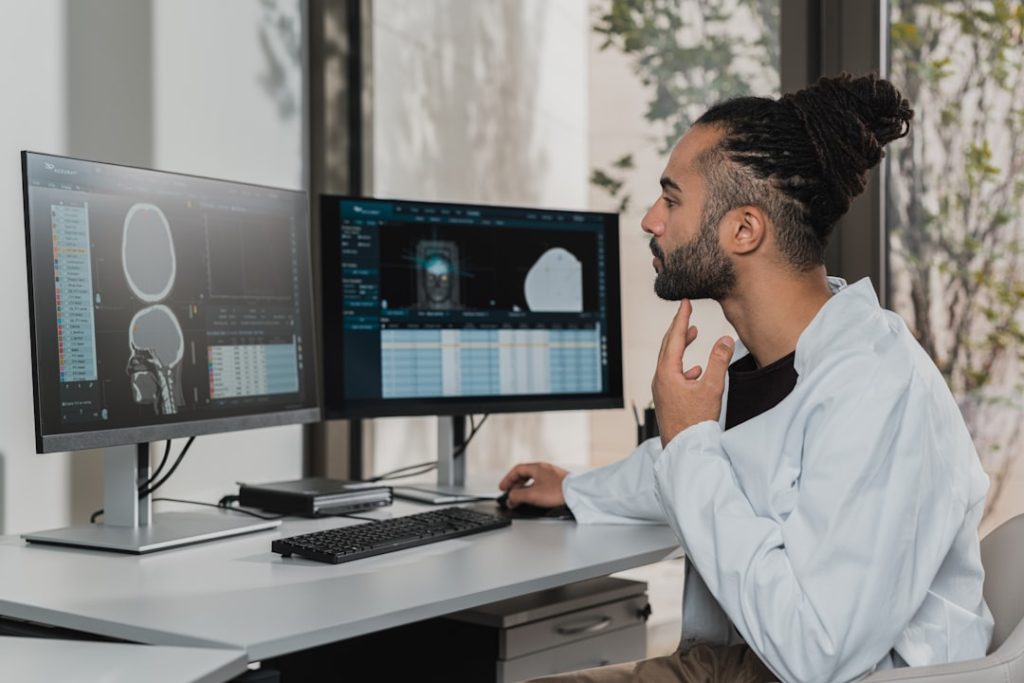
Patient outcomes are the measurable changes in health that result from healthcare interventions. Improving these outcomes is a fundamental goal of medical treatment. This article examines a hypothetical case study to illustrate strategies and considerations involved in enhancing patient well-being, exploring various facets from initial diagnosis to long-term management. We will delve into how a multi-faceted approach, grounded in evidence-based practice and patient-centered care, can forge a path toward better health.
Accurate diagnosis serves as the bedrock upon which all subsequent treatment strategies are built. Without a precise understanding of the underlying condition, interventions can be misdirected, ineffective, or even harmful. Consider the hypothetical case of Ms. Eleanor Vance, a 68-year-old woman presenting with progressive fatigue, unexplained weight loss, and intermittent abdominal discomfort.
The Diagnostic Labyrinth

Navigating the diagnostic process can often feel akin to traversing a complex labyrinth. Initial presentations can be vague, mimicking numerous conditions. For Ms. Vance, early assessments might reveal general systemic inflammation, but pinpointing the specific etiology requires further investigation. This often involves a multi-pronged approach utilizing various diagnostic tools.
Leveraging Advanced Diagnostics
The judicious application of advanced diagnostic technologies is crucial. For Ms. Vance, this could involve a combination of:
- Laboratory Biomarkers: Specific blood tests, such as C-reactive protein (CRP) and erythrocyte sedimentation rate (ESR), might indicate inflammation. Further targeted tests, like tumor markers or autoantibody panels, could provide more specific clues.
- Imaging Modalities: Cross-sectional imaging, such as computed tomography (CT) scans or magnetic resonance imaging (MRI), can visualize internal structures, revealing mass lesions, organomegaly, or other abnormalities that might not be detectable through physical examination alone. In Ms. Vance’s case, an abdominal CT scan might reveal a pancreatic mass.
- Biopsy and Histopathology: When imaging suggests a lesion, a tissue biopsy followed by histopathological examination is often the definitive diagnostic step. This allows for microscopic analysis of cellular architecture and molecular markers, confirming the presence of malignancy or other specific diseases. For Ms. Vance, a biopsy revealing adenocarcinoma cells from the pancreatic mass would confirm a diagnosis of pancreatic cancer.

A timely and accurate diagnosis, as demonstrated with Ms. Vance, allows for the subsequent development of a tailored treatment plan, a critical step in turning the tide of illness.
Crafting the Treatment Plan: A Personalized Approach
Once a diagnosis is established, developing an effective treatment plan moves to the forefront. This is not a one-size-fits-all endeavor; rather, it demands a personalized strategy that considers the unique characteristics of the patient, the specific nature of their disease, and evidence-based best practices.
Evidence-Based Medicine as a Compass
Evidence-based medicine (EBM) acts as a compass, guiding clinical decisions toward interventions with proven efficacy. This involves integrating the best available research evidence with clinical expertise and patient values. For Ms. Vance, diagnosed with pancreatic cancer, the treatment plan would draw upon extensive research regarding surgical resection, chemotherapy regimens, and radiation therapy.
- Clinical Practice Guidelines: National and international clinical practice guidelines, often developed by expert panels, synthesize current research to provide recommendations for specific conditions. These guidelines serve as a starting point for constructing a treatment plan.
- Individualized Risk-Benefit Analysis: Every treatment carries potential benefits and risks. A thorough discussion with the patient, outlining the probable outcomes of various interventions, including potential side effects and long-term implications, is paramount. For Ms. Vance, this involves weighing the aggressive nature of surgical intervention against her overall health status and the potential for a cure.
Multidisciplinary Collaboration
Modern medicine is rarely a solo act. A multidisciplinary team (MDT) approach is often superior, bringing together diverse expertise to address complex patient needs. For Ms. Vance, her team might include:
- Oncologists: Specializing in cancer treatment, guiding chemotherapy and radiation.
- Surgeons: Performing surgical removal of tumors.
- Radiologists: Interpreting imaging and potentially administering radiation therapy.
- Pathologists: Analyzing tissue samples to confirm diagnosis and guide treatment.
- Palliative Care Specialists: Providing symptom management and quality of life support, particularly in advanced stages.
- Dietitians: Addressing nutritional needs, crucial for patients undergoing aggressive treatments.
- Social Workers: Providing logistical and emotional support for both the patient and their family.
This collaborative approach ensures that all facets of the patient’s care are considered, resulting in a more comprehensive and coordinated treatment strategy.
The Role of Patient Engagement and Education
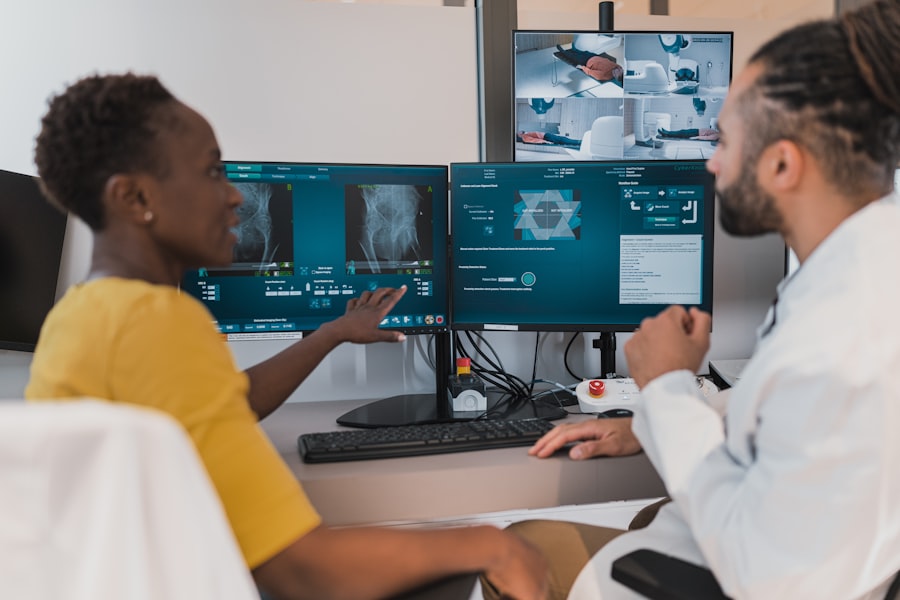
Patient engagement is not merely a courtesy; it is a critical driver of improved outcomes. When patients are informed, involved, and empowered, they become active participants in their own care, leading to better adherence to treatment plans and more positive health trajectories.
Bridging the Information Gap
Medical information can be complex and intimidating. Healthcare providers have a responsibility to translate this complexity into understandable terms, avoiding jargon and offering clear explanations. Imagine patient education as building a bridge between medical knowledge and patient understanding.
- Shared Decision-Making: This involves a collaborative process where clinicians and patients work together to make healthcare decisions, considering the patient’s values, preferences, and clinical evidence. For Ms. Vance, this might involve her weighing the quality of life implications of aggressive chemotherapy against its potential survival benefits.
- Accessible Resources: Providing patients with reliable and accessible resources, such as brochures, reputable websites, and support groups, can reinforce information provided during consultations and empower them to seek further understanding.
Fostering Adherence and Self-Management
An effective treatment plan is only as good as the patient’s adherence to it. Poor adherence can undermine even the most expertly crafted strategies. Patient education plays a vital role in encouraging adherence and fostering self-management skills.
- Clear Instructions: Providing explicit, written instructions regarding medication dosages, schedules, and potential side effects is essential.
- Addressing Concerns: Openly addressing patient concerns, fears, and misconceptions about treatment can alleviate anxiety and improve compliance.
- Promoting Lifestyle Modifications: For many conditions, lifestyle changes are integral to treatment. Educating patients on the benefits of diet, exercise, and smoking cessation, for instance, empowers them to take control of their health beyond clinical interventions.
By actively engaging Ms. Vance in her treatment decisions and providing her with the necessary knowledge and resources, her chances of adhering to her complex treatment regimen are significantly enhanced.
Monitoring and Adjusting: The Iterative Process
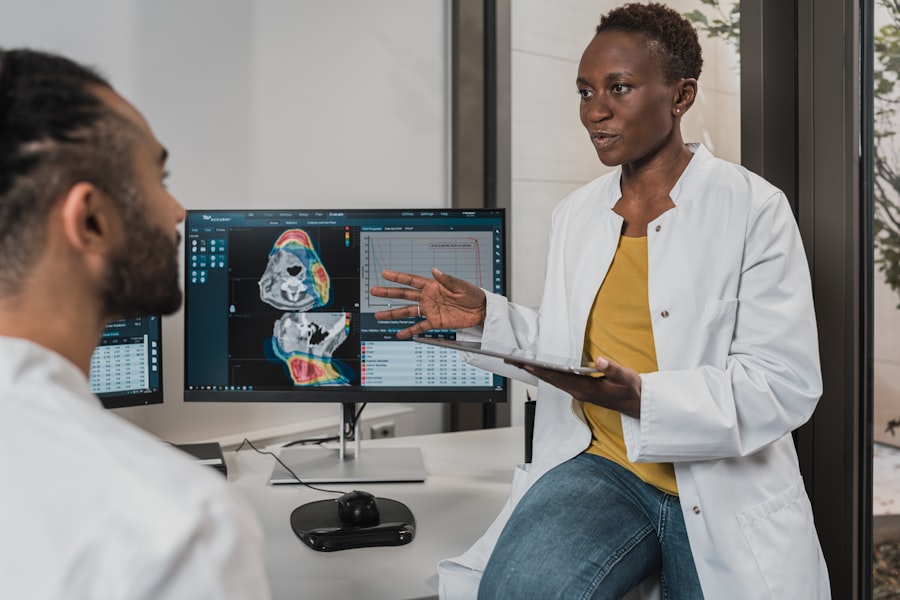
Medical treatment is rarely a static process; it is an iterative journey that requires continuous monitoring and agile adjustments. Just as a navigator constantly checks their course against current conditions, clinicians must regularly assess patient progress and modify treatment plans as needed.
Regular Assessment and Surveillance
Scheduled follow-up appointments and ongoing monitoring are crucial for tracking treatment efficacy and detecting potential complications or disease progression. For Ms. Vance, this would involve:
- Clinical Assessments: Regular physical examinations, symptom reviews, and performance status evaluations provide insight into her overall well-being.
- Laboratory Monitoring: Blood tests might be used to monitor organ function, assess the effectiveness of chemotherapy, or detect recurrence. For example, tumor markers like CA 19-9 might be used to track disease burden in pancreatic cancer.
- Imaging Re-Evaluation: Periodic imaging scans (CT, MRI, PET) can assess tumor response to treatment, detect new lesions, or identify metastatic spread.
Adapting to Change
The human body is a dynamic system, and disease processes can evolve. Treatment plans must be flexible enough to adapt to these changes.
- Treatment Response Assessment: If a chosen treatment is not yielding the desired results, or if the disease is progressing, a change in strategy is warranted. This might involve switching chemotherapy regimens, considering alternative surgical approaches, or exploring clinical trials.
- Managing Side Effects: Treatments often come with side effects. Proactive management of these, through medication adjustments, supportive care, or symptom relief measures, can significantly improve a patient’s quality of life and their ability to continue treatment. For Ms. Vance, aggressive management of chemotherapy-induced nausea and fatigue would be critical.
- Addressing Complications: Unexpected complications can arise, necessitating prompt diagnosis and intervention. This might involve treating infections, managing surgical complications, or addressing organ dysfunction.
This continuous cycle of assessment, evaluation, and adjustment ensures that the treatment remains optimally aligned with the patient’s evolving condition, maintaining the course towards improved outcomes.
Beyond the Clinical: Holistic Support and Long-Term Care
| Case Study ID | Patient Age | Gender | Condition | Treatment Method | Duration (weeks) | Outcome | Follow-up Period (months) |
|---|---|---|---|---|---|---|---|
| CSM001 | 45 | Female | Type 2 Diabetes | Metformin + Lifestyle Changes | 24 | Improved Glycemic Control | 12 |
| CSM002 | 60 | Male | Hypertension | ACE Inhibitors | 12 | Blood Pressure Normalized | 6 |
| CSM003 | 30 | Female | Asthma | Inhaled Corticosteroids | 16 | Reduced Symptoms | 9 |
| CSM004 | 50 | Male | Osteoarthritis | Physical Therapy + NSAIDs | 20 | Pain Reduction | 8 |
| CSM005 | 38 | Female | Depression | CBT + SSRIs | 18 | Improved Mood | 10 |
Improving patient outcomes extends beyond purely clinical interventions. Comprehensive and holistic support addresses the broader impact of illness on a patient’s life, fostering resilience and promoting long-term well-being. This is particularly crucial for chronic conditions or those with significant treatment burdens.
Emotional and Psychological Well-being
Illness, especially serious diagnoses like cancer, can exact a heavy toll on a patient’s emotional and psychological health. Addressing these aspects is not supplementary but integral to overall recovery.
- Psychological Counseling: Providing access to therapists or counselors can help patients cope with anxiety, depression, fear, and grief associated with their illness.
- Support Groups: Connecting patients with others facing similar challenges can foster a sense of community, reduce isolation, and provide valuable peer support and practical advice.
- Mindfulness and Stress Reduction Techniques: Encouraging practices like mindfulness, meditation, or yoga can help patients manage stress and improve their overall mental state.
For Ms. Vance, dealing with a life-threatening illness, psychological support would be as important as her medical treatment in navigating the emotional landscape of her diagnosis and prognosis.
Rehabilitation and Quality of Life
Returning to a semblance of normal life after a significant illness or treatment often requires targeted rehabilitation. The focus here shifts from disease eradication to maximizing functional capacity and quality of life.
- Physical Therapy: For patients recovering from surgery or prolonged illness, physical therapy can help regain strength, mobility, and independence.
- Occupational Therapy: This focuses on helping patients adapt to daily activities and achieve functional independence, often by modifying tasks or environments.
- Nutritional Support: Ongoing nutritional guidance, especially for conditions affecting digestive function, is vital for maintaining strength and preventing malnutrition.
- Palliative and Survivorship Care: Even when curative treatment is no longer possible, or after successful treatment completion, palliative care focuses on symptom management and improving quality of life. Survivorship care, for those who have completed active treatment, focuses on long-term monitoring, managing lingering side effects, and promoting overall wellness.
By weaving these elements of holistic support into the fabric of care, healthcare providers can help patients like Ms. Vance not only survive their illness but also thrive in the long term, forging a path toward comprehensive well-being. The journey of improving patient outcomes is a continuous interplay of precise diagnosis, evidence-based personalized treatment, proactive patient engagement, vigilant monitoring, and compassionate holistic support. It is a testament to the fact that while medicine addresses the disease, true healthcare embraces the whole person.
