

Healthcare professionals require specific educational credentials and practical experience to establish competency in their field. Educational requirements typically begin with relevant undergraduate degrees in disciplines such as nursing, pharmacy, or healthcare administration. Registered nurses must complete either a Bachelor of Science in Nursing (BSN) or Associate Degree in Nursing (ADN) program, which covers essential subjects including patient care principles, human anatomy, and pharmacology.
Additional certifications are mandatory for most positions, including Basic Life Support (BLS) and Advanced Cardiovascular Life Support (ACLS), which prepare professionals to respond to medical emergencies. Practical experience represents another fundamental component of healthcare qualification. The breadth and variety of professional experience significantly impacts a healthcare worker’s competence beyond simple tenure duration.

Nurses who have practiced across multiple healthcare environments—emergency departments, intensive care units, and outpatient facilities—develop comprehensive skill sets that improve their ability to deliver quality patient care. Exposure to diverse patient demographics also enhances professionals’ cultural competency and understanding of varied health conditions, ultimately strengthening their clinical practice.
Key Takeaways
- Strong qualifications and relevant experience are essential for effective performance.
- Thorough knowledge of regulatory requirements ensures compliance and safety.
- Excellent communication and interpersonal skills facilitate teamwork and patient interaction.
- High attention to detail guarantees accuracy in tasks and documentation.
- Flexibility, multitasking ability, and problem-solving skills support efficient and ethical work practices.
Understanding of Regulatory Requirements

Navigating the complex landscape of healthcare regulations is paramount for professionals in the field. Regulatory requirements are established to ensure patient safety, quality of care, and ethical practices. For instance, healthcare providers must comply with the Health Insurance Portability and Accountability Act (HIPAA), which mandates the protection of patient privacy and confidentiality.
Understanding these regulations is not just about compliance; it is about fostering trust between patients and providers. A healthcare professional who is well-versed in HIPAA can effectively communicate the importance of privacy to patients, thereby enhancing their comfort and confidence in the care they receive. Moreover, professionals must stay updated on changes in regulations that can impact their practice.
For example, the Centers for Medicare & Medicaid Services (CMS) frequently updates guidelines that affect reimbursement rates and quality measures. A healthcare administrator who actively monitors these changes can implement necessary adjustments within their organization to maintain compliance and optimize financial performance. This proactive approach not only safeguards the institution against potential penalties but also ensures that patients receive care that meets the highest standards.
Communication and Interpersonal Skills

Effective communication is a cornerstone of successful healthcare delivery. Healthcare professionals must convey complex medical information in a manner that is easily understood by patients and their families. This requires not only clarity in verbal communication but also the ability to listen actively.
For instance, a physician discussing a diagnosis must be able to gauge the patient’s understanding and address any concerns or misconceptions. This two-way communication fosters a collaborative environment where patients feel empowered to participate in their own care. Interpersonal skills extend beyond patient interactions; they are equally vital when collaborating with colleagues.
In multidisciplinary teams, where nurses, physicians, pharmacists, and other healthcare providers work together, clear communication can significantly impact patient outcomes. For example, during handoff reports between shifts, a nurse must succinctly relay critical information about a patient’s condition to ensure continuity of care. The ability to articulate thoughts clearly while also being receptive to feedback from team members can enhance teamwork and ultimately lead to improved patient safety.
Attention to Detail and Accuracy
In healthcare, attention to detail can be a matter of life and death. Professionals must meticulously follow protocols and guidelines to ensure that every aspect of patient care is executed flawlessly. For instance, when administering medications, a nurse must verify the five rights: the right patient, right drug, right dose, right route, and right time.
A lapse in attention at any of these stages could result in serious adverse effects for the patient. Therefore, cultivating a habit of double-checking work and maintaining an organized approach to tasks is essential for minimizing errors. Moreover, accuracy extends beyond direct patient care; it encompasses documentation as well.
Accurate record-keeping is crucial for maintaining continuity of care and ensuring that all team members have access to up-to-date information about a patient’s status. For example, if a nurse fails to document a change in a patient’s condition accurately, it could lead to inappropriate treatment decisions by other healthcare providers. Thus, professionals must develop strong organizational skills and an unwavering commitment to precision in all aspects of their work.
Ability to Manage Multiple Tasks
| Metric | Value | Notes |
|---|---|---|
| Average Time to Hire | 45 days | From job posting to offer acceptance |
| Average Salary Range | 60,000 – 85,000 | Annual salary in USD |
| Top Required Certifications | ACRP, SOCRA | Industry-recognized certifications |
| Most Common Educational Background | Bachelor’s Degree in Life Sciences | Biology, Nursing, Pharmacy, etc. |
| Average Experience Required | 2-4 years | In clinical research or related field |
| Key Skills | Monitoring, Regulatory Compliance, Data Management | Essential for job performance |
| Turnover Rate | 15% | Annual turnover among CRAs |
| Geographical Demand Hotspots | USA, Europe, India | Regions with highest hiring activity |
The fast-paced nature of healthcare demands that professionals possess exceptional multitasking abilities. A typical day may involve managing several patients simultaneously while also attending to administrative duties and responding to unexpected emergencies. For instance, a nurse on a busy hospital floor may need to administer medications to multiple patients while also monitoring vital signs and coordinating with physicians regarding treatment plans.
The ability to prioritize tasks effectively is crucial; understanding which tasks require immediate attention versus those that can wait can significantly impact patient outcomes. Furthermore, technology plays an increasingly important role in task management within healthcare settings. Electronic health records (EHRs) allow for streamlined documentation and communication among team members.
However, navigating these systems while managing direct patient care can be challenging. Professionals must be adept at using technology efficiently without compromising the quality of care provided. This requires ongoing training and practice to ensure that they can leverage these tools effectively while juggling multiple responsibilities.
Flexibility and Adaptability
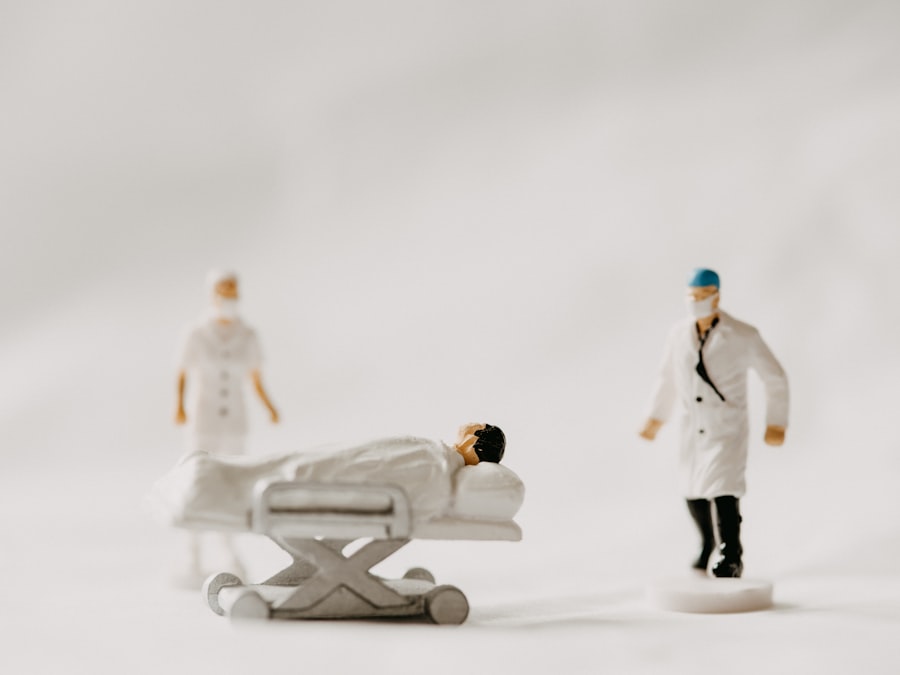
The dynamic nature of healthcare necessitates that professionals remain flexible and adaptable in their roles. Changes can occur rapidly due to new policies, emerging health crises, or shifts in patient needs. For example, during the COVID-19 pandemic, many healthcare workers had to quickly adapt to new protocols regarding infection control and patient management.
Those who were able to embrace change and adjust their practices accordingly played a crucial role in maintaining patient safety during unprecedented times. Adaptability also involves being open to learning new skills or taking on different responsibilities as needed. In many healthcare settings, professionals are encouraged to cross-train in various roles to enhance team efficiency.
A nurse who is willing to learn about respiratory therapy may find themselves better equipped to assist during a surge in patients requiring ventilatory support. This willingness to adapt not only benefits individual career growth but also contributes positively to team dynamics and overall patient care.
Problem-Solving and Critical Thinking Skills
In healthcare, professionals are frequently faced with complex situations that require quick thinking and effective problem-solving skills. The ability to assess a situation critically and devise appropriate solutions is essential for ensuring optimal patient outcomes. For instance, if a patient exhibits sudden changes in vital signs, a nurse must quickly analyze the data, consider potential causes, and implement interventions while simultaneously notifying the physician.
This level of critical thinking requires not only knowledge but also experience and intuition developed over time. Moreover, problem-solving extends beyond immediate clinical scenarios; it encompasses broader challenges within healthcare systems as well. For example, if a hospital experiences an increase in patient readmissions for a particular condition, healthcare administrators must analyze data trends to identify underlying issues contributing to this phenomenon.
By employing critical thinking skills to evaluate processes and outcomes, they can implement targeted interventions aimed at improving care quality and reducing readmission rates.
Commitment to Ethical Conduct and Patient Safety
A steadfast commitment to ethical conduct is fundamental in healthcare practice. Professionals are often faced with dilemmas that require them to balance competing interests while prioritizing patient welfare above all else. For instance, issues related to informed consent necessitate that healthcare providers ensure patients fully understand their treatment options before making decisions about their care.
Upholding ethical standards fosters trust between patients and providers, which is essential for effective therapeutic relationships. Patient safety is intrinsically linked to ethical conduct; it involves creating an environment where patients feel secure in receiving care without fear of harm or negligence. Healthcare organizations often implement safety protocols designed to minimize risks associated with procedures or treatments.
For example, surgical teams adhere strictly to checklists before operations to prevent errors such as wrong-site surgeries or retained surgical instruments. A culture of safety encourages all team members to speak up about concerns or potential hazards without fear of retribution, ultimately leading to better outcomes for patients. In summary, the multifaceted nature of qualifications and experience in healthcare underscores the importance of regulatory understanding, communication skills, attention to detail, multitasking abilities, adaptability, problem-solving capabilities, and ethical commitment—all essential components for delivering high-quality patient care in an ever-evolving landscape.
