
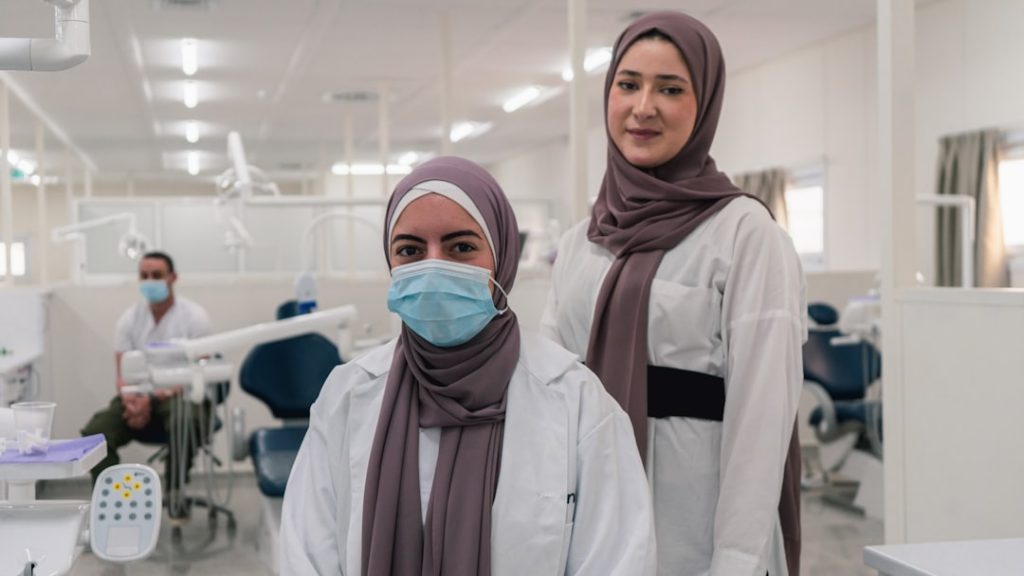
Clinical research assistants (CRAs) are healthcare professionals who support the implementation and management of clinical trials and medical research studies. They perform essential functions in data collection, protocol adherence, and regulatory compliance throughout the research process. The healthcare industry has experienced increased demand for CRAs as clinical research activities have expanded globally.
CRAs are responsible for ensuring clinical trials comply with federal regulations, institutional policies, and ethical standards established by regulatory bodies such as the FDA and institutional review boards. Their duties include monitoring study protocols, maintaining accurate documentation, coordinating with research teams, and protecting participant safety and rights. They collect and verify clinical data, manage study timelines, and ensure proper informed consent procedures are followed.

The work performed by CRAs directly impacts the quality and reliability of clinical research data used to evaluate new medical treatments, devices, and therapies. Their adherence to Good Clinical Practice guidelines and regulatory requirements helps maintain the scientific integrity necessary for research findings to be accepted by regulatory agencies and the medical community. CRAs typically work in hospitals, research institutions, pharmaceutical companies, or contract research organizations.
Key Takeaways
- Clinical Research Assistants play a crucial role in supporting clinical trials and ensuring research accuracy.
- Effective time management and task prioritization are essential for handling workload efficiently.
- Leveraging technology can streamline research processes and improve data management.
- Strong communication and collaboration within the research team enhance project success.
- Ongoing professional development is vital for staying updated with industry standards and advancing skills.
Responsibilities and Duties of Clinical Research Assistants

The responsibilities of clinical research assistants are diverse and multifaceted, encompassing a wide range of tasks that are essential for the smooth operation of clinical trials. One of their primary duties is to assist in the recruitment and screening of study participants. This involves engaging with potential subjects, explaining the study’s purpose, and ensuring that informed consent is obtained.
CRAs must possess strong interpersonal skills to effectively communicate with participants, addressing any concerns they may have about the study. In addition to participant recruitment, CRAs are responsible for data management throughout the trial process. This includes collecting, entering, and verifying data from various sources, such as patient records and laboratory results.
They must ensure that all data is accurately recorded in compliance with Good Clinical Practice (GCP) guidelines. Furthermore, CRAs often assist in monitoring study progress by conducting site visits, where they evaluate adherence to protocols and assess the quality of data being collected. This oversight is crucial for identifying any issues early on and implementing corrective actions as needed.
Effective Time Management Strategies for Clinical Research Assistants

Time management is a critical skill for clinical research assistants, who often juggle multiple tasks and deadlines simultaneously. One effective strategy is prioritization, which involves assessing the urgency and importance of various tasks to allocate time accordingly. CRAs can utilize tools such as the Eisenhower Matrix, which categorizes tasks into four quadrants based on their urgency and importance.
By focusing on high-priority tasks first, CRAs can ensure that essential responsibilities are addressed promptly while minimizing stress. Another valuable time management technique is the use of scheduling tools and calendars. CRAs can benefit from digital calendars that allow them to set reminders for important deadlines, meetings, and follow-ups with participants or team members.
By blocking out specific times for dedicated work on particular tasks, CRAs can create a structured workflow that enhances productivity. Additionally, setting aside time for regular breaks can help maintain focus and prevent burnout, ultimately leading to more efficient work habits.
Utilizing Technology to Streamline Processes
In today’s fast-paced research environment, technology plays a crucial role in enhancing the efficiency of clinical research assistants. Electronic data capture (EDC) systems have revolutionized how data is collected and managed in clinical trials. These platforms allow CRAs to input data directly into a digital system, reducing the risk of errors associated with manual data entry.
Moreover, EDC systems often come equipped with built-in validation checks that help ensure data integrity from the outset. Beyond EDC systems, CRAs can leverage project management software to streamline their workflows. Tools like Trello or Asana enable CRAs to track tasks, deadlines, and project milestones in a collaborative environment.
This not only enhances individual accountability but also fosters transparency within research teams. By utilizing these technological solutions, CRAs can minimize administrative burdens and focus more on critical aspects of their roles, such as participant engagement and data analysis.
Communication and Collaboration with Research Team
| Metric | Description | Typical Value/Range | Notes |
|---|---|---|---|
| Average Salary | Annual compensation for clinical research assistants | 40,000 – 60,000 USD | Varies by location and experience |
| Education Level | Common educational qualifications | Bachelor’s degree (Biology, Nursing, or related field) | Some positions may require advanced degrees |
| Years of Experience | Typical experience range for entry to mid-level roles | 0 – 5 years | Experience in clinical trials or healthcare preferred |
| Certification | Relevant professional certifications | Certified Clinical Research Coordinator (CCRC) | Not always required but beneficial |
| Primary Responsibilities | Key tasks performed | Data collection, patient recruitment, regulatory compliance | Supports clinical trial management |
| Average Work Hours | Typical weekly work schedule | 40 hours/week | May include overtime during trial deadlines |
| Job Growth Rate | Projected employment growth over 10 years | 7% (as per BLS projections) | Growth driven by increasing clinical trials |
Effective communication is paramount in clinical research, where collaboration among team members is essential for success. Clinical research assistants must cultivate strong relationships with principal investigators, coordinators, and other stakeholders involved in the study. Regular meetings and updates help ensure that everyone is aligned on project goals and timelines.
CRAs should feel empowered to voice any concerns or suggestions during these discussions, as their insights can contribute significantly to improving study processes. Moreover, fostering a collaborative environment extends beyond formal meetings. CRAs can utilize communication platforms such as Slack or Microsoft Teams to facilitate ongoing dialogue with team members.
These tools allow for real-time communication, enabling quick resolution of issues that may arise during the trial process. By maintaining open lines of communication, CRAs can enhance teamwork and create a supportive atmosphere that encourages knowledge sharing and problem-solving.
Tips for Prioritizing Tasks and Managing Workload

To effectively manage their workload, clinical research assistants should adopt a systematic approach to task prioritization. One effective method is the “ABC” prioritization technique, where tasks are categorized into three groups: A (high priority), B (medium priority), and C (low priority). By focusing on completing A tasks first, CRAs can ensure that critical responsibilities are addressed without delay.
This method also allows for flexibility; if unexpected tasks arise, CRAs can reassess their priorities accordingly. Additionally, breaking larger projects into smaller, manageable tasks can alleviate feelings of overwhelm. By setting specific goals for each day or week, CRAs can create a sense of accomplishment as they check off completed items from their lists.
This approach not only enhances productivity but also helps maintain motivation throughout the duration of a study. Furthermore, utilizing time-blocking techniques—where specific periods are allocated for focused work on particular tasks—can further enhance efficiency by minimizing distractions.
Handling Data and Record Keeping Efficiently
Efficient data handling and record-keeping are fundamental responsibilities for clinical research assistants. Given the volume of data generated during clinical trials, CRAs must implement organized systems for data storage and retrieval. Utilizing cloud-based storage solutions allows for secure access to documents from multiple devices while ensuring compliance with data protection regulations such as HIPAA or GDPR.
Moreover, maintaining meticulous records is essential for regulatory compliance and audit readiness. CRAs should develop standardized templates for documentation that include essential information such as participant consent forms, case report forms (CRFs), and monitoring visit reports. Regularly reviewing these documents for accuracy and completeness helps prevent discrepancies that could jeopardize the integrity of the study.
By establishing robust record-keeping practices, CRAs contribute to the overall success of clinical trials while safeguarding participant confidentiality.
Continuous Professional Development for Clinical Research Assistants
The field of clinical research is dynamic and ever-evolving, necessitating continuous professional development for clinical research assistants. Engaging in ongoing education through workshops, webinars, or certification programs can enhance their knowledge base and skill set. Organizations such as the Association of Clinical Research Professionals (ACRP) offer resources and training opportunities tailored specifically for CRAs seeking to advance their careers.
Networking within professional organizations also provides valuable opportunities for growth. By attending conferences or joining local chapters of research associations, CRAs can connect with peers and industry leaders who share insights on best practices and emerging trends in clinical research. This exchange of knowledge not only enriches their professional experience but also fosters a sense of community among those dedicated to advancing medical science through rigorous research practices.
In conclusion, clinical research assistants are indispensable members of the research community whose roles encompass a wide array of responsibilities aimed at ensuring the success of clinical trials. From managing participant recruitment to maintaining meticulous records and embracing continuous professional development, CRAs contribute significantly to advancing medical knowledge while upholding ethical standards in research practices. Their ability to adapt to evolving technologies and collaborate effectively within research teams further underscores their importance in shaping the future of healthcare through evidence-based practices.
