
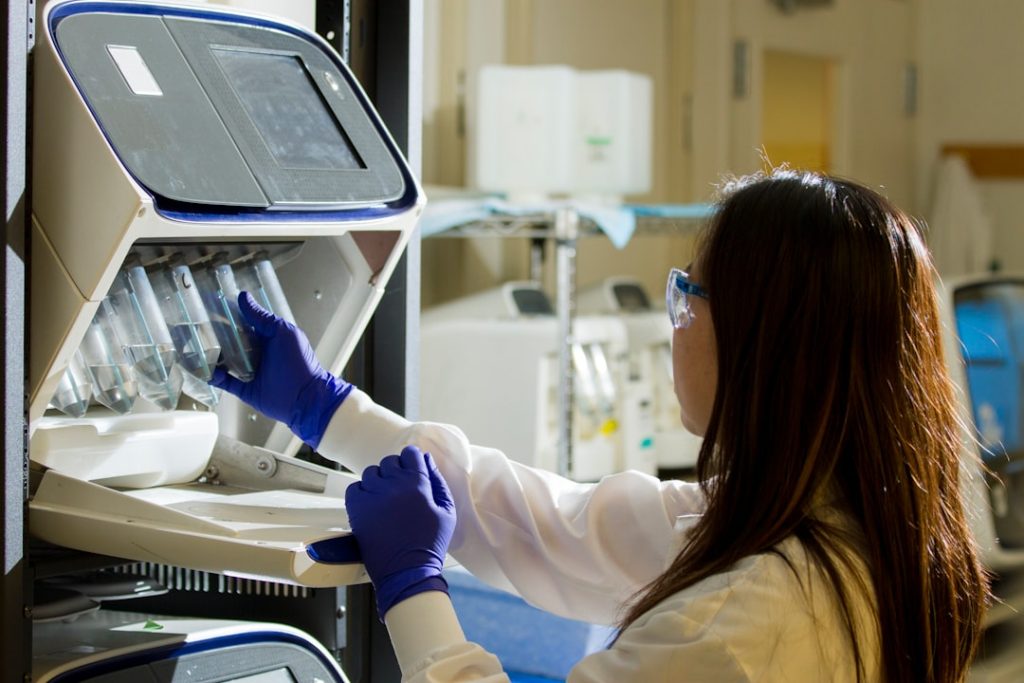
The landscape of modern medicine is experiencing a profound transformation through groundbreaking innovations that are redefining healthcare boundaries. These medical breakthroughs represent fundamental shifts with potential to alter disease trajectories, improve patient outcomes, and extend human lifespan. Gene editing technologies and immunotherapy advancements exemplify this unprecedented era of medical discovery.
As scientists and healthcare providers implement cutting-edge research, these developments carry significant implications for public health, ethical considerations, and broader society. Medical technological progress is accelerating through cross-disciplinary collaboration, merging genetics, bioinformatics, and nanotechnology to address longstanding health challenges. Artificial intelligence and machine learning integration is enhancing research efficiency and diagnostic precision.

These revolutionary medical developments signal the beginning of a new medical era that offers potential not only for treating but possibly curing diseases that have historically challenged human health.
Key Takeaways
- Gene editing and CRISPR-Cas9 are transforming treatment possibilities for genetic diseases.
- Immunotherapy advancements are significantly improving cancer patient outcomes.
- Innovations in organ transplantation and regenerative medicine are enhancing recovery and survival rates.
- Precision medicine technologies enable more personalized and effective healthcare solutions.
- Ethical considerations remain crucial as medical research rapidly evolves with new technologies.
The Impact of Gene Editing Technology

Gene editing technology, particularly CRISPR-Cas9, has emerged as one of the most transformative tools in modern biology. This revolutionary technique allows scientists to make precise alterations to DNA, enabling them to correct genetic defects, enhance agricultural productivity, and even combat infectious diseases. The implications for human health are staggering; for instance, researchers are exploring the potential of CRISPR to treat genetic disorders such as cystic fibrosis and sickle cell anemia.
By directly targeting and modifying the faulty genes responsible for these conditions, gene editing offers a pathway to potentially cure diseases that were previously deemed incurable. Moreover, the impact of gene editing extends beyond individual patient care. In agriculture, CRISPR technology is being utilized to develop crops that are more resistant to pests and environmental stressors, thereby enhancing food security in a world facing climate change challenges.
The ability to edit genes with such precision also raises important questions about bioethics and the potential for “designer babies,” where parents might choose specific traits for their offspring. As we navigate this complex landscape, it is crucial to balance the immense potential of gene editing with ethical considerations surrounding its use.
Advancements in Immunotherapy for Cancer Treatment
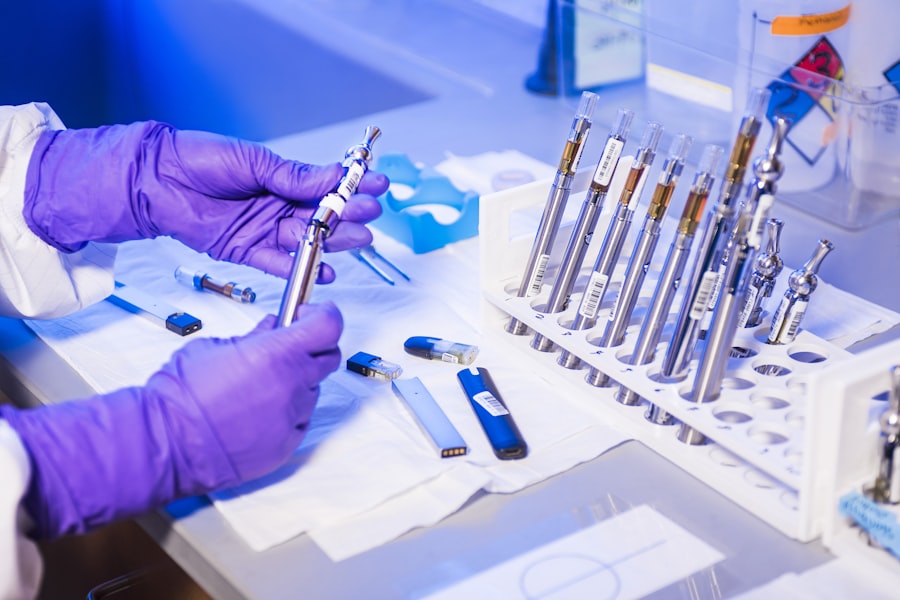
Immunotherapy has revolutionized cancer treatment by harnessing the body’s own immune system to fight malignancies. Unlike traditional therapies such as chemotherapy and radiation, which indiscriminately target rapidly dividing cells, immunotherapy aims to enhance the immune response against cancer cells specifically. One of the most notable advancements in this field is the development of checkpoint inhibitors, which block proteins that inhibit immune responses.
Drugs like pembrolizumab (Keytruda) and nivolumab (Opdivo) have shown remarkable efficacy in treating various cancers, including melanoma and lung cancer. In addition to checkpoint inhibitors, CAR-T cell therapy represents another groundbreaking approach in immunotherapy. This technique involves modifying a patient’s T cells to express chimeric antigen receptors (CARs) that specifically target cancer cells.
The success of CAR-T therapies in hematological malignancies has been particularly striking, with some patients experiencing complete remission after treatment. However, these therapies are not without challenges; issues such as cytokine release syndrome and neurotoxicity require careful management. As research continues to refine these approaches and expand their applicability to solid tumors, the future of cancer treatment looks increasingly promising.
Breakthroughs in Organ Transplantation and Regenerative Medicine
Organ transplantation has long been a critical component of modern medicine, yet it faces significant challenges such as organ shortages and rejection. Recent breakthroughs in regenerative medicine are beginning to address these issues by exploring innovative solutions like bioengineered organs and stem cell therapy. Scientists are now able to create organoids—miniature organs grown from stem cells—that can be used for drug testing and disease modeling.
This technology not only holds promise for personalized medicine but also offers insights into organ development and function. Additionally, advancements in xenotransplantation—the transplantation of organs from one species to another—are gaining traction as a potential solution to organ shortages. Researchers are genetically modifying pigs to produce organs that are less likely to be rejected by the human immune system.
Early clinical trials have shown promise in this area, with some patients receiving pig kidneys successfully transplanted without immediate rejection. While ethical concerns surrounding animal welfare and the risk of zoonotic infections remain significant hurdles, the potential benefits of xenotransplantation could revolutionize organ transplantation as we know it.
Emerging Technologies in Precision Medicine
| Metric | Description | Value | Unit | Year |
|---|---|---|---|---|
| Number of Clinical Trials | Total clinical trials registered under EPIC Medical Research | 125 | Trials | 2024 |
| Patient Enrollment | Number of patients enrolled in EPIC studies | 8,500 | Patients | 2024 |
| Research Publications | Peer-reviewed articles published from EPIC research | 45 | Publications | 2023 |
| Funding Received | Total research funding awarded to EPIC projects | 12.3 | Million USD | 2023 |
| Collaborating Institutions | Number of institutions collaborating with EPIC Medical Research | 30 | Institutions | 2024 |
| Innovative Therapies Developed | New therapies or treatments developed through EPIC research | 7 | Therapies | 2024 |
Precision medicine represents a shift away from the traditional “one-size-fits-all” approach to healthcare towards more tailored treatments based on individual genetic profiles, environmental factors, and lifestyle choices. The advent of next-generation sequencing technologies has made it possible to analyze an individual’s genome quickly and affordably, paving the way for personalized treatment plans that are more effective and have fewer side effects. For example, patients with certain types of breast cancer can now receive targeted therapies based on specific genetic mutations identified through genomic testing.
Moreover, precision medicine extends beyond oncology; it encompasses a wide range of conditions including cardiovascular diseases, diabetes, and rare genetic disorders. By integrating data from genomics, proteomics, and metabolomics, healthcare providers can develop comprehensive profiles that inform treatment decisions. The use of artificial intelligence in analyzing vast datasets further enhances our ability to identify patterns and predict patient responses to various therapies.
As precision medicine continues to evolve, it holds the promise of transforming how we approach disease prevention and management.
Revolutionary Developments in Neurological Disorders Treatment
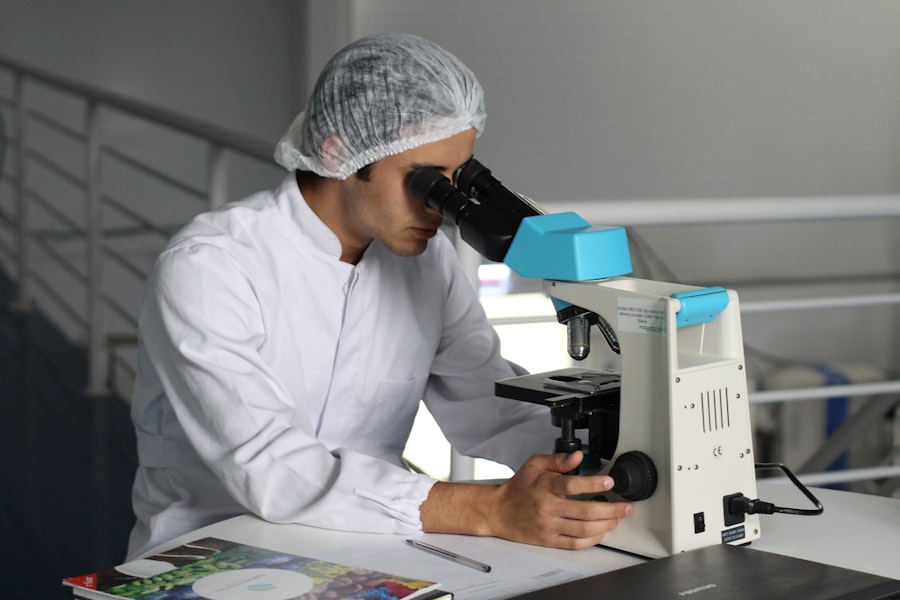
Neurological disorders such as Alzheimer’s disease, Parkinson’s disease, and multiple sclerosis pose significant challenges due to their complex nature and often debilitating effects on patients’ lives. Recent developments in treatment strategies are beginning to offer hope for those affected by these conditions. For instance, disease-modifying therapies for multiple sclerosis have advanced significantly over the past decade, with new medications that can slow disease progression and reduce relapse rates.
In addition to pharmacological advancements, innovative approaches such as deep brain stimulation (DBS) have shown promise in managing symptoms of Parkinson’s disease. DBS involves implanting electrodes in specific brain regions to modulate neural activity, leading to improved motor function and quality of life for patients. Furthermore, research into neuroprotective agents aims to halt or reverse neurodegeneration associated with conditions like Alzheimer’s disease.
While challenges remain in fully understanding these complex disorders, ongoing research continues to unveil new therapeutic avenues that could significantly improve patient outcomes.
The Promise of CRISPR-Cas9 in Genetic Diseases
The CRISPR-Cas9 gene-editing technology has garnered immense attention for its potential applications in treating genetic diseases. By allowing precise modifications at specific locations within the genome, CRISPR offers a revolutionary approach to correcting mutations responsible for various inherited disorders. For example, researchers are investigating its use in treating Duchenne muscular dystrophy (DMD), a severe genetic disorder characterized by progressive muscle degeneration.
Early studies have demonstrated that CRISPR can effectively restore dystrophin production in animal models, raising hopes for future clinical applications. Moreover, CRISPR’s versatility extends beyond single-gene disorders; it has been employed in research aimed at combating complex diseases such as cystic fibrosis and beta-thalassemia. The ability to edit multiple genes simultaneously opens up new possibilities for addressing polygenic conditions that involve multiple genetic factors.
However, ethical considerations surrounding germline editing—where changes can be passed on to future generations—remain a contentious issue within the scientific community and society at large. As we explore the full potential of CRISPR technology, it is essential to engage in thoughtful discussions about its implications for future generations.
Future Prospects and Ethical Considerations in Medical Research
As we stand on the brink of unprecedented medical advancements, it is crucial to consider the ethical implications that accompany these revolutionary breakthroughs. The rapid pace of innovation raises questions about access to new therapies, informed consent in clinical trials, and the potential for unintended consequences arising from gene editing technologies. Ensuring equitable access to cutting-edge treatments is paramount; disparities in healthcare access could exacerbate existing inequalities if only a privileged few benefit from these advancements.
Furthermore, as we delve deeper into areas like gene editing and precision medicine, ethical frameworks must evolve alongside scientific progress. The potential for misuse or unintended consequences necessitates robust regulatory oversight and public engagement in discussions about acceptable boundaries for research and application. Balancing innovation with ethical responsibility will be essential as we navigate this transformative era in medicine.
By fostering an inclusive dialogue among scientists, ethicists, policymakers, and the public, we can ensure that the benefits of medical breakthroughs are realized while minimizing risks and addressing societal concerns.
