

Clinical research is a vital component of the medical field, serving as the bridge between laboratory discoveries and practical applications in patient care. It encompasses a wide range of studies designed to evaluate the safety and efficacy of new treatments, drugs, and medical devices. By systematically investigating the effects of interventions on human subjects, clinical research plays a crucial role in advancing medical knowledge and improving health outcomes.
The process typically involves several phases, including preclinical studies, Phase I to Phase IV trials, and post-marketing surveillance, each designed to answer specific questions about a treatment’s safety, dosage, and effectiveness. The significance of clinical research cannot be overstated; it is the foundation upon which evidence-based medicine is built. Through rigorous testing and evaluation, researchers can determine whether a new therapy is beneficial or harmful, ultimately guiding clinical practice and informing healthcare policies.

As the landscape of medicine evolves with technological advancements and changing patient demographics, the methodologies employed in clinical research must also adapt to ensure that they remain relevant and effective in addressing contemporary health challenges.
Key Takeaways
- Clinical research is essential for developing new medical treatments and improving patient care.
- Traditional clinical research methods often face challenges like high costs, long timelines, and participant recruitment issues.
- Innovative methods, including digital tools and adaptive trial designs, are transforming clinical research efficiency and accuracy.
- Successful case studies demonstrate that adopting innovative approaches can lead to faster and more reliable results.
- The future of clinical research lies in integrating technology and personalized medicine to enhance study outcomes and patient engagement.
Traditional Methods of Clinical Research

Traditional methods of clinical research have long been characterized by randomized controlled trials (RCTs), which are considered the gold standard for evaluating new interventions. In an RCT, participants are randomly assigned to either the treatment group or the control group, allowing researchers to minimize bias and establish causality between the intervention and observed outcomes. This method has been instrumental in the development of numerous life-saving therapies and has shaped clinical guidelines across various medical specialties.
Another common approach in traditional clinical research is observational studies, which include cohort studies, case-control studies, and cross-sectional studies. These studies do not involve randomization but instead observe participants in their natural settings to identify associations between exposures and outcomes. While observational studies can provide valuable insights, they are often limited by confounding variables that may influence results.
Despite these limitations, both RCTs and observational studies have contributed significantly to our understanding of disease processes and treatment efficacy.
Challenges in Traditional Clinical Research
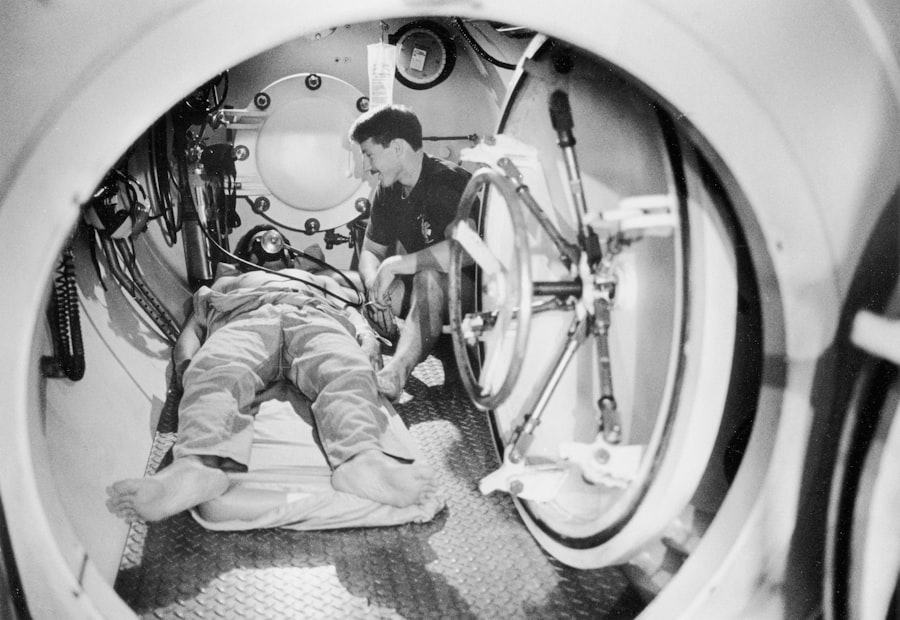
Despite their strengths, traditional methods of clinical research face several challenges that can hinder their effectiveness. One major issue is the lengthy timeline required to conduct RCTs, which can take years or even decades from conception to completion. This extended duration can delay the availability of new treatments for patients who may benefit from them.
Additionally, the high costs associated with conducting large-scale trials often limit the number of studies that can be undertaken, particularly in resource-constrained settings. Recruitment of participants also poses a significant challenge in traditional clinical research. Many trials struggle to meet their enrollment targets due to stringent eligibility criteria, which can exclude a large portion of potential candidates.
Furthermore, participants may be hesitant to join studies due to concerns about safety or the burden of additional medical visits. This reluctance can lead to underrepresentation of diverse populations in clinical trials, ultimately affecting the generalizability of findings and perpetuating health disparities.
Innovative Methods in Clinical Research
In response to the limitations of traditional methods, innovative approaches to clinical research have emerged, leveraging advancements in technology and data science. One such method is adaptive trial design, which allows researchers to modify trial parameters based on interim results. This flexibility can lead to more efficient trials by enabling early termination for futility or success, as well as adjustments to treatment dosages or participant allocation.
Adaptive designs can significantly reduce the time and resources needed to bring new therapies to market. Another innovative approach is the use of real-world evidence (RWE) derived from electronic health records (EHRs), insurance claims data, and patient registries. RWE provides insights into how treatments perform in everyday clinical practice rather than controlled environments.
By analyzing large datasets, researchers can identify trends, assess long-term outcomes, and evaluate the effectiveness of interventions across diverse populations. This method not only enhances our understanding of treatment impacts but also facilitates more personalized medicine by tailoring therapies to individual patient characteristics.
Advantages of Innovative Methods
| Metric | Description | Value | Unit | Year |
|---|---|---|---|---|
| Number of Clinical Trials Using AI | Count of clinical trials incorporating artificial intelligence tools | 350 | Trials | 2023 |
| Average Time to Trial Completion | Average duration from trial start to completion | 18 | Months | 2023 |
| Percentage of Decentralized Trials | Proportion of trials conducted remotely or with virtual components | 42 | % | 2023 |
| Patient Enrollment Rate Increase | Year-over-year increase in patient enrollment due to innovative recruitment methods | 15 | % | 2023 |
| Use of Wearable Devices in Trials | Percentage of trials utilizing wearable technology for data collection | 28 | % | 2023 |
| Reduction in Data Entry Errors | Decrease in errors due to electronic data capture innovations | 35 | % | 2023 |
The advantages of innovative methods in clinical research are manifold. Adaptive trial designs can lead to more efficient use of resources by allowing researchers to make data-driven decisions throughout the study process. This adaptability not only shortens the timeline for bringing new treatments to market but also reduces costs associated with failed trials.
Moreover, by incorporating interim analyses, researchers can identify promising therapies earlier and allocate resources more effectively. Real-world evidence offers a complementary perspective to traditional clinical trial data by capturing information on patient experiences outside controlled settings. This approach enhances the external validity of findings and allows for a more comprehensive understanding of treatment effects across different populations and healthcare systems.
Additionally, RWE can inform regulatory decision-making and support post-marketing surveillance efforts, ensuring that therapies remain safe and effective once they are widely used.
Case Studies of Successful Implementation
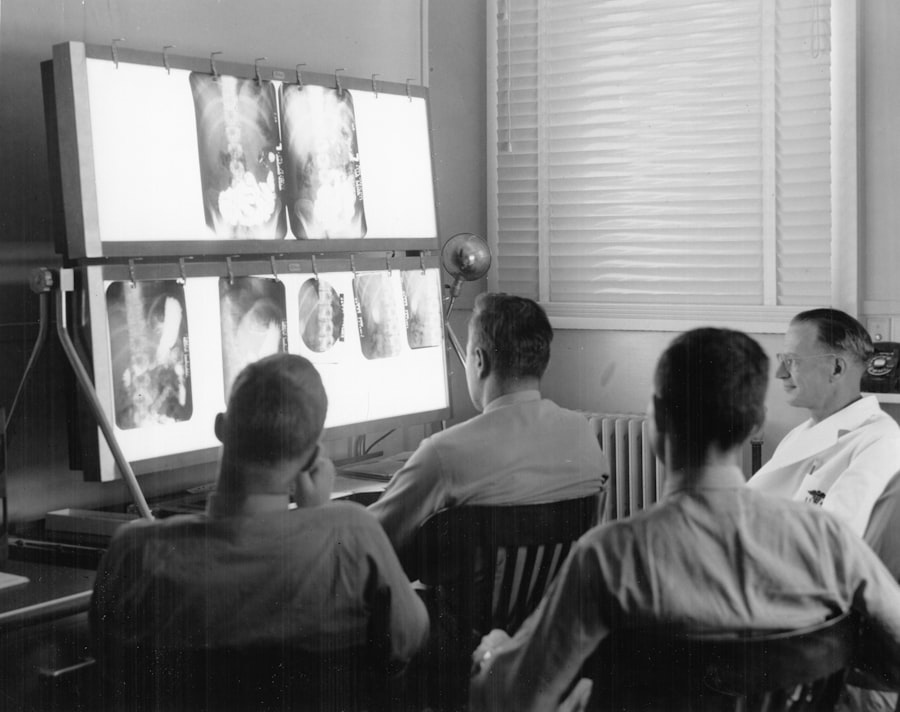
Several case studies illustrate the successful implementation of innovative methods in clinical research. One notable example is the use of adaptive trial designs in oncology research. The I-SPY 2 trial is a groundbreaking adaptive platform trial that evaluates multiple investigational agents for breast cancer treatment simultaneously.
By employing an adaptive design, researchers can quickly identify effective therapies while minimizing exposure to ineffective ones. This trial has accelerated the development of new treatments and has provided valuable insights into biomarker-driven approaches. Another compelling case is the use of real-world evidence in assessing the effectiveness of COVID-19 vaccines.
During the pandemic, researchers utilized EHRs and claims data to evaluate vaccine performance across diverse populations and settings. These analyses provided critical information on vaccine efficacy against emerging variants and informed public health strategies for vaccination campaigns. The rapid collection and analysis of real-world data demonstrated how innovative methods could be harnessed to address urgent health challenges effectively.
Future of Clinical Research
The future of clinical research is poised for transformation as technology continues to advance at an unprecedented pace. The integration of artificial intelligence (AI) and machine learning into research methodologies holds great promise for enhancing data analysis and patient recruitment processes. AI algorithms can sift through vast amounts of data to identify potential participants who meet specific criteria, thereby streamlining recruitment efforts and increasing diversity in clinical trials.
Moreover, the rise of decentralized clinical trials (DCTs) represents a significant shift in how research is conducted. DCTs leverage telemedicine, mobile health technologies, and remote monitoring tools to facilitate participation from patients regardless of their geographical location. This approach not only enhances patient convenience but also broadens access to clinical trials for underrepresented populations.
As regulatory bodies increasingly recognize the value of DCTs, their adoption is likely to grow, further reshaping the landscape of clinical research.
Conclusion and Recommendations
As clinical research continues to evolve, it is essential for stakeholders—including researchers, healthcare providers, regulatory agencies, and patients—to embrace innovative methodologies that enhance efficiency and inclusivity. Collaborative efforts among these groups can foster an environment conducive to innovation while ensuring that ethical standards are upheld throughout the research process. Investing in training programs that equip researchers with skills in data science and adaptive trial design will be crucial for maximizing the potential of innovative methods.
Additionally, fostering partnerships between academia, industry, and regulatory bodies can facilitate knowledge sharing and accelerate the translation of research findings into clinical practice. By prioritizing these strategies, we can ensure that clinical research remains at the forefront of medical advancement, ultimately improving health outcomes for all patients.
