

The landscape of clinical trials is undergoing a significant transformation, driven by the integration of decentralized software solutions. These technologies are moving the trial process away from traditional, centralized sites and towards a more distributed model, leveraging digital platforms and remote engagement. This shift holds the potential to address long-standing challenges in trial efficiency, patient access, and data integrity.
Decentralized Clinical Trials, often abbreviated as DCTs, represent a paradigm shift in how medical research is conducted. Unlike traditional models where participants visit a single physical site for all study-related activities, DCTs distribute these activities across various locations, often including the participant’s home. This decentralization is primarily enabled by advancements in technology, particularly software platforms designed to facilitate remote oversight, data collection, and participant interaction.
The Traditional Clinical Trial Model

For decades, the clinical trial process has largely adhered to a specific structure. Researchers identify a study, recruit participants, and then require those participants to travel to a designated clinical site for scheduled visits. These visits involve assessments, data collection, and administration of study treatments. While this model has yielded valuable medical knowledge, it has inherent limitations. The reliance on physical proximity creates barriers for many potential participants, leading to recruitment challenges and a lack of diversity in study populations. Furthermore, the logistical demands on both patients and research staff can be substantial, contributing to higher costs and extended timelines.
Core Principles of Decentralization
At its heart, decentralization in clinical trials is about flexibility and accessibility. It acknowledges that not all aspects of a trial must occur within the confines of a clinic. Instead, it seeks to leverage technology to bring the trial to the participant, or at least minimize the need for their physical travel. This involves a strategic redistribution of tasks and interactions, relying on digital tools to bridge the geographical gaps. The core principles include:
- Patient-Centricity: Placing the participant’s convenience and well-being at the forefront of the trial design.
- Technological Enablement: Utilizing a suite of digital tools to facilitate remote interactions and data capture.
- Data Integrity and Security: Implementing robust systems to ensure the accuracy, reliability, and confidentiality of collected data, regardless of its origin.
- Regulatory Compliance: Adhering to existing and evolving regulatory frameworks for clinical research in a decentralized environment.
Key Technologies Driving Decentralization

The rise of DCTs is inextricably linked to a confluence of technological advancements. These are not isolated tools but form an interconnected ecosystem that supports the decentralized model.
Remote Monitoring and Data Collection
One of the cornerstones of DCTs is the ability to monitor participants and collect data remotely. This has been substantially enhanced by software solutions that allow for the capture of real-world data in near real-time.
Wearable Devices and Sensors
Wearable devices, such as smartwatches and fitness trackers, have become sophisticated tools for capturing physiological data. These devices can continuously monitor metrics like heart rate, activity levels, sleep patterns, and even localized temperature. The data generated by these sensors can provide objective, longitudinal insights into a participant’s health status, complementing information gathered during infrequent site visits. Software platforms are crucial for integrating this data into the overall trial database, often with features for anomaly detection and flagging for investigator review.
Telehealth and Remote Consultations
Telehealth platforms allow for virtual consultations between participants and investigators. This can range from simple check-ins to more detailed assessments, reducing the need for physical travel for routine appointments. Video conferencing, secure messaging, and remote examination tools are all part of this technological suite. The software enables scheduling, secure communication, and documentation of these remote interactions, ensuring that they are integrated seamlessly into the trial record.
eConsent and Digital Informed Consent
Obtaining informed consent is a critical ethical and regulatory step in clinical trials. Decentralized models employ electronic consent (eConsent) platforms. These digital tools provide participants with comprehensive study information in accessible formats, allowing them to review the materials, ask questions electronically, and provide their consent digitally. This process is often more engaging and can improve participant comprehension compared to traditional paper-based methods. The software logs all actions taken by the participant and investigator, creating an auditable trail.
Digital Platforms for Trial Management
Beyond direct participant engagement, a range of sophisticated software platforms underpins the successful execution of DCTs. These platforms act as the central nervous system, coordinating various aspects of the decentralized trial.
Electronic Data Capture (EDC) Systems
While EDC systems have been a staple of clinical trials for some time, their role is amplified in DCTs. These systems are designed to collect, validate, and store trial data from various sources, including remote devices, patient-reported outcomes, and data entered by study coordinators. In a decentralized setting, EDC systems must be highly flexible to accommodate data streams from diverse locations and formats, while maintaining robust data quality checks and security protocols.
Electronic Trial Master Files (eTMF)
The Trial Master File (TMF) is a comprehensive collection of essential documents that describe the trial design, conduct, and oversight. In decentralized trials, the eTMF becomes even more critical as it needs to house documentation generated remotely. This includes eSource data, remote monitoring reports, and consent forms. Cloud-based eTMF systems are essential for providing secure, centralized access to this information for all authorized stakeholders, regardless of their physical location.
Randomization and Trial Supply Management (RTSM) Integration
For studies involving investigational medicinal products (IMPs), efficient randomization and supply management are paramount. RTSM systems ensure that participants are assigned to treatment arms appropriately and that IMPs are shipped directly to participants’ homes or to local pharmacies. Software integration between RTSM and other DCT platforms allows for seamless management of this process, ensuring that the right drug reaches the right patient at the right time, while maintaining blinding where required.
Enhancing Patient Experience and Access
A significant driver for the adoption of decentralized software in clinical trials is the potential to radically improve the patient experience and broaden access to research opportunities. Traditional trial models often impose considerable burdens on participants, acting as a barrier to entry.
Reducing Participant Burden
The logistical demands of traditional trials, such as frequent travel to clinical sites, can be a significant deterrent. This burden is amplified for individuals in rural areas, those with mobility issues, or those with demanding work and family commitments. Decentralized software aims to alleviate these pressures by enabling a substantial portion of trial-related activities to be conducted remotely.
Minimizing Travel and Time Commitments
Imagine a trial requiring bi-weekly site visits, each involving a two-hour drive, parking, and a day off work. For many, this is simply not feasible. Decentralized software, through telehealth, remote monitoring, and home-based assessments, can reduce or even eliminate these arduous journeys. Participants can engage with study staff from the comfort of their homes, saving time, money, and stress. This reimagining of the trial journey shifts the focus from “going to the trial” to “the trial coming to you.”
Improving Patient Comfort and Familiarity
Receiving medical care or participating in research within one’s own environment can be significantly more comfortable and less intimidating than a clinical setting. Familiar surroundings can reduce anxiety and lead to more natural and representative responses from participants. For chronic conditions, where frequent assessments are needed, performing these at home can be less disruptive to a patient’s daily life and may even lead to more consistent data.
Expanding Trial Accessibility
The geographic limitations of traditional clinical trial sites often create disparities in access to cutting-edge treatments and research participation. Decentralized models offer a powerful solution to this problem.
Reaching Underserved Populations
Populations in rural or remote areas, or those with limited transportation options, are often underrepresented in clinical trials. Decentralized software can break down these geographical barriers, allowing individuals from any location with internet access to participate. This has the potential to significantly improve the diversity of trial participants, leading to research findings that are more generalizable to the broader population.
Facilitating Participation for Individuals with Chronic or Debilitating Conditions
For individuals with chronic illnesses, rare diseases, or severe mobility limitations, the physical demands of attending regular site visits can be insurmountable. Decentralized solutions, by enabling remote data collection and consultations, can open up research participation to individuals who would otherwise be excluded. This is particularly crucial for developing treatments for conditions that disproportionately affect these populations.
Increased Recruitment and Retention Rates
By reducing participant burden and expanding accessibility, decentralized software can also contribute to higher recruitment and retention rates. When participation is more convenient and inclusive, more individuals are likely to enroll and remain in a study, which in turn can accelerate the pace of research and lead to more robust findings.
Ensuring Data Integrity and Security in a Decentralized Environment

The shift to a decentralized model raises important questions about data integrity and security. While the benefits of accessibility and efficiency are clear, maintaining the trustworthiness of research data collected outside of traditional, controlled environments is paramount. Robust software solutions are key to addressing these concerns.
Robust Data Validation and Quality Control
The decentralized flow of data from various sources necessitates stringent validation and quality control measures. Software platforms must be designed to flag potential errors, inconsistencies, or missing data points as they are collected.
Real-time Data Monitoring and Anomaly Detection
Sophisticated EDC systems can perform real-time checks on incoming data. Algorithms can be programmed to identify outliers, unexpected trends, or deviations from expected patterns. For instance, if a wearable device suddenly registers an uncharacteristically high heart rate, the system can flag this for immediate investigator review. This proactive approach helps to catch potential issues early, before they compromise the integrity of the dataset.
Automated Data Cleaning and Verification Processes
Many repetitive data cleaning tasks can be automated through intelligent software. This includes checking for data format consistency, ensuring that values fall within plausible ranges, and verifying that all required fields are populated. Automated processes reduce the potential for human error and allow research coordinators to focus on more complex data review and issue resolution.
Audit Trails and Version Control
Every action taken within the decentralized software platforms, from data entry to data modification, must be meticulously logged. Comprehensive audit trails provide a transparent history of all data changes, including who made the change, when it was made, and why. Version control ensures that researchers can always access the most current and accurate version of the data, while also being able to revert to previous versions if necessary.
Secure Data Transmission and Storage
Protecting sensitive participant data from unauthorized access and breaches is a non-negotiable requirement. Decentralized software must employ advanced security measures.
Encryption and Secure Protocols
All data transmitted between participant devices, investigator sites, and central servers must be protected using robust encryption protocols, such as TLS/SSL. This ensures that data is unreadable to anyone who intercepts it during transit. Similarly, data stored on servers should be encrypted at rest.
Access Controls and Role-Based Permissions
Strict access controls are essential to ensure that only authorized personnel can view or modify specific datasets. Role-based permissions dictate what each user can see and do within the software platform, preventing unqualified individuals from accessing sensitive information. This acts like a digital bouncer, ensuring only the right people get into the correct rooms.
Compliance with Data Protection Regulations
Decentralized clinical trial software must be designed and implemented in compliance with relevant data protection regulations, such as GDPR (General Data Protection Regulation) and HIPAA (Health Insurance Portability and Accountability Act). This includes provisions for data anonymization or pseudonymization where appropriate, and clear protocols for data retention and deletion.
Cybersecurity Measures and Threat Mitigation
Beyond basic security protocols, robust cybersecurity measures are essential. This includes firewalls, intrusion detection systems, regular security audits, and protocols for responding to potential cyber threats. Continuous monitoring for vulnerabilities and prompt application of security patches are vital to maintain the integrity of the system in an ever-evolving threat landscape.
Streamlining Trial Operations and Oversight
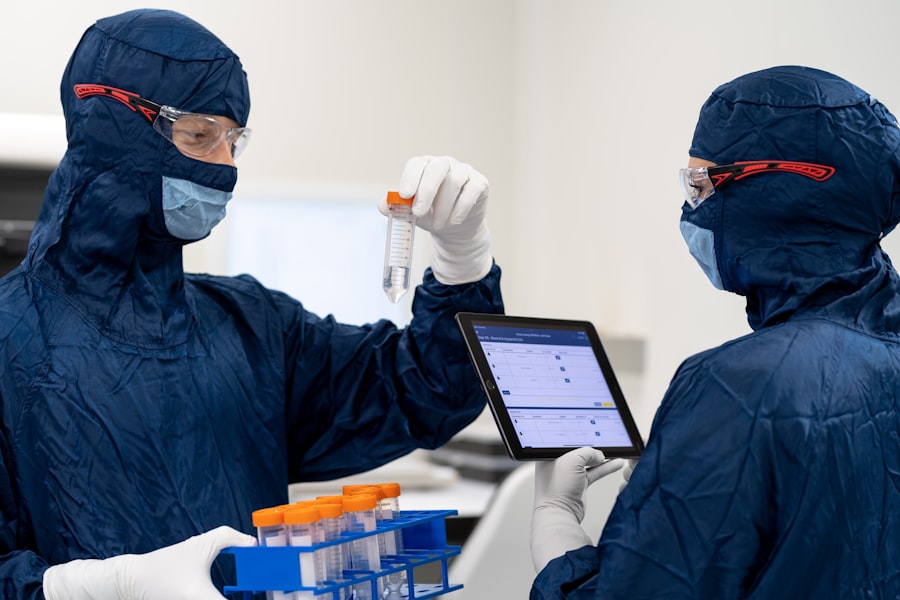
The inherent complexity of clinical trials is amplified when operations are distributed. Decentralized software plays a crucial role in streamlining these processes, improving efficiency, and enabling effective oversight.
Enhanced Communication and Collaboration
Effective communication is the lifeblood of any complex project, and clinical trials are no exception. Decentralized software facilitates seamless communication among all stakeholders.
Centralized Communication Hubs
Platforms can act as centralized hubs for communication, allowing investigators, study coordinators, data managers, and even monitors to interact in a secure and organized manner. This can include features for direct messaging, discussion forums, and secure document sharing.
Real-time Alerting and Notification Systems
Software can be configured to send automated alerts and notifications for critical events. This could include reminders for upcoming assessments, flags for data queries requiring attention, or notifications about adverse events. These systems ensure that no critical information falls through the cracks, even when teams are geographically dispersed.
Virtual Team Meetings and Huddles
Decentralized software can support virtual team meetings, allowing remote teams to connect regularly to discuss progress, address challenges, and ensure alignment. This fosters a sense of team cohesion and facilitates efficient problem-solving.
Improved Monitoring and Risk Management
Monitoring the conduct of a trial and managing potential risks are critical for ensuring participant safety and data integrity. Decentralized software provides new tools for these essential functions.
Remote Source Data Verification (Remote SDV)
Traditionally, monitors would travel to clinical sites to perform source data verification (SDV), comparing data entered into the EDC with original source documents. Decentralized software, particularly eSource solutions that directly capture data from electronic health records (EHRs) into the EDC, can significantly reduce or even eliminate the need for traditional SDV. This is a game-changer in terms of efficiency and cost reduction.
Centralized Statistical Monitoring
Sophisticated analytical capabilities within trial management software allow for centralized statistical monitoring of data. This involves analyzing aggregated data to identify patterns or trends that might indicate potential issues, such as unusual prescribing patterns or a higher-than-expected incidence of certain adverse events. This proactive approach can help identify risks before they become significant problems.
Risk-Based Monitoring (RBM) Integration
Decentralized software platforms are well-suited to support Risk-Based Monitoring (RBM) strategies. RBM focuses monitoring efforts on critical data and processes that pose the greatest risk to participant safety and data integrity. Software can be configured to identify high-risk areas based on pre-defined criteria, allowing monitors to allocate their resources more effectively, even when working remotely.
Workflow Automation and Process Optimization
Repetitive administrative tasks can consume significant time and resources in clinical trials. Decentralized software can automate many of these processes, freeing up valuable human capital.
Automated Task Management and Scheduling
Software can automate the scheduling of participant appointments, data entry deadlines, and follow-up actions. This reduces the administrative burden on research staff and helps to keep the trial on track.
Streamlined Document Initiation and Approval
Processes for initiating new protocols, amendments, and other essential documents can be automated and tracked within digital platforms. Electronic workflows for review and approval can significantly speed up these critical processes.
Improved Resource Allocation and Forecasting
By providing real-time data on trial progress and resource utilization, software can enable more accurate forecasting and allocation of personnel and materials. This leads to more efficient trial management and can help prevent delays.
The Future of Clinical Trials: Integration and Evolution
| Metric | Description | Typical Value / Range | Importance |
|---|---|---|---|
| Patient Enrollment Rate | Speed at which patients are enrolled in the trial using decentralized software | 10-30% faster than traditional methods | High |
| Data Collection Frequency | Number of data points collected per patient per day | 1-5 times daily | Medium |
| Protocol Compliance Rate | Percentage of patients adhering to trial protocols via software reminders and monitoring | 85-95% | High |
| Data Accuracy | Level of correctness and reliability of data collected remotely | 95-99% | High |
| Patient Retention Rate | Percentage of patients completing the trial using decentralized software | 80-90% | High |
| Time to Database Lock | Duration from last patient visit to database lock | Reduced by 20-40% compared to traditional trials | Medium |
| Cost Reduction | Percentage decrease in operational costs due to decentralized software | 15-30% | Medium |
| Patient Satisfaction Score | Average rating from patients on ease of use and engagement | 4.0-4.7 out of 5 | Medium |
The revolution in clinical trials driven by decentralized software is not a destination but an ongoing journey of evolution and integration. As the technology matures and regulatory frameworks adapt, the potential for further innovation is immense.
Hybrid Models and Advanced Technologies
The future of clinical trials will likely see a prevalence of hybrid models, combining the strengths of both decentralized and centralized approaches. This flexibility allows for tailoring trial designs to specific therapeutic areas, patient populations, and study objectives.
Sophisticated AI and Machine Learning Applications
Artificial intelligence (AI) and machine learning (ML) are poised to play an even larger role. These technologies can enhance data analysis, identify predictive biomarkers, personalize treatment approaches, and even assist in the design of future trials. For example, AI could analyze vast datasets from decentralized trials to identify individuals at higher risk of a specific disease, enabling earlier intervention.
Digital Twins and Virtualized Trials
Emerging concepts like “digital twins” – virtual replicas of patients or biological systems – and fully virtualized trials are on the horizon. While still in early stages, these advancements, powered by sophisticated decentralized data collection and analysis, could dramatically accelerate drug development and reduce the need for extensive human participant studies for certain aspects of research.
Blockchain for Enhanced Data Security and Transparency
Blockchain technology holds promise for further enhancing data security and transparency in clinical trials. Its decentralized and immutable ledger system could provide an unprecedented level of trust and traceability for research data, from collection to analysis.
Regulatory Evolution and Standardization
As decentralized clinical trials become more commonplace, regulatory bodies worldwide are actively adapting their guidelines. This evolution is crucial for fostering confidence and ensuring the adoption of best practices.
Harmonization of Global Regulatory Standards
Efforts towards harmonizing global regulatory standards for decentralized trials are underway. Such harmonization will simplify the process of conducting multi-site, international studies and ensure consistency in data quality and participant protection across different regions.
Development of Best Practices and Standard Operating Procedures (SOPs)
The industry is actively developing and refining best practices and Standard Operating Procedures (SOPs) specifically for decentralized trial operations. This includes guidance on technology selection, vendor management, data management, and remote oversight.
Continuous Dialogue Between Industry and Regulators
An ongoing, open dialogue between pharmaceutical companies, technology providers, and regulatory agencies is essential for the continued evolution of decentralized trials. This collaboration ensures that technological advancements align with regulatory expectations and that patient safety remains paramount.
The Long-Term Impact on Healthcare and Research
The successful integration of decentralized software into clinical trials promises to have a profound and lasting impact on healthcare and medical research.
Accelerating Drug Development and Bringing Therapies to Market Sooner
By improving efficiency, reducing recruitment timelines, and enhancing data quality, decentralized trials have the potential to significantly accelerate the drug development process. This means that potentially life-saving therapies could reach patients faster.
Driving Down the Cost of Research and Development
The increased efficiency and reduced logistical demands of decentralized trials can also contribute to a reduction in the overall cost of research and development. This could potentially lead to more affordable treatments in the long run and allow for more research to be conducted within existing budgets.
Fostering a More Personalized and Accessible Healthcare System
Ultimately, the principles driving decentralized clinical trials – patient-centricity, accessibility, and leveraging technology – are the same principles that underpin a more personalized and accessible healthcare system. As these technologies become more integrated into healthcare, they will contribute to a future where medical research is more inclusive, efficient, and responsive to the needs of individuals. The transformation is not just about making trials faster; it’s about making medical progress more equitable and beneficial for everyone.
