

Clinical trials represent the primary methodology for evaluating the safety and efficacy of new medical treatments, pharmaceuticals, and devices in modern medicine. These systematically designed research studies provide essential evidence required for regulatory approval and integration into clinical practice. The development pathway from laboratory research to patient treatment involves multiple stages of rigorous testing to meet established safety and effectiveness standards.
Clinical trials contribute to therapeutic innovation while informing public health policy and clinical practice guidelines. Beyond facilitating drug approval processes, clinical trials advance scientific understanding of disease pathophysiology and treatment mechanisms. Research conducted across diverse patient populations and disease conditions generates data on treatment response variability among different demographic groups.

This information supports the development of personalized medicine approaches, enabling clinicians to optimize treatment selection based on individual patient factors. This article examines the definition and classification of clinical trials, describes their sequential phases, and analyzes their role within the medical research framework.
Key Takeaways
- Clinical trials are essential research studies that test new medical treatments and interventions.
- They are conducted in multiple phases (I-IV) to ensure safety and effectiveness.
- Phase I trials focus on safety and dosage in a small group of participants.
- Phase II and III trials assess efficacy and monitor side effects in larger populations.
- Phase IV trials occur after approval to gather long-term safety data and real-world effectiveness.
Definition of Clinical Trials

At its core, a clinical trial is a research study that involves human participants and is designed to answer specific questions about health-related interventions. These interventions can include new drugs, surgical procedures, behavioral therapies, or medical devices. The primary goal of a clinical trial is to determine whether an intervention is safe and effective for a particular condition or population.
Clinical trials are typically conducted in a controlled environment, allowing researchers to minimize variables that could affect the outcomes. Clinical trials are governed by strict ethical guidelines and regulatory requirements to protect participants’ rights and well-being. Before a trial can commence, it must be approved by an institutional review board (IRB) or ethics committee, which evaluates the study’s design, potential risks, and benefits.
Participants must provide informed consent, ensuring they understand the nature of the trial, any potential risks involved, and their right to withdraw at any time without penalty. This ethical framework is crucial for maintaining public trust in medical research and ensuring that participants are treated with respect and dignity throughout the study.
Phases of Clinical Trials
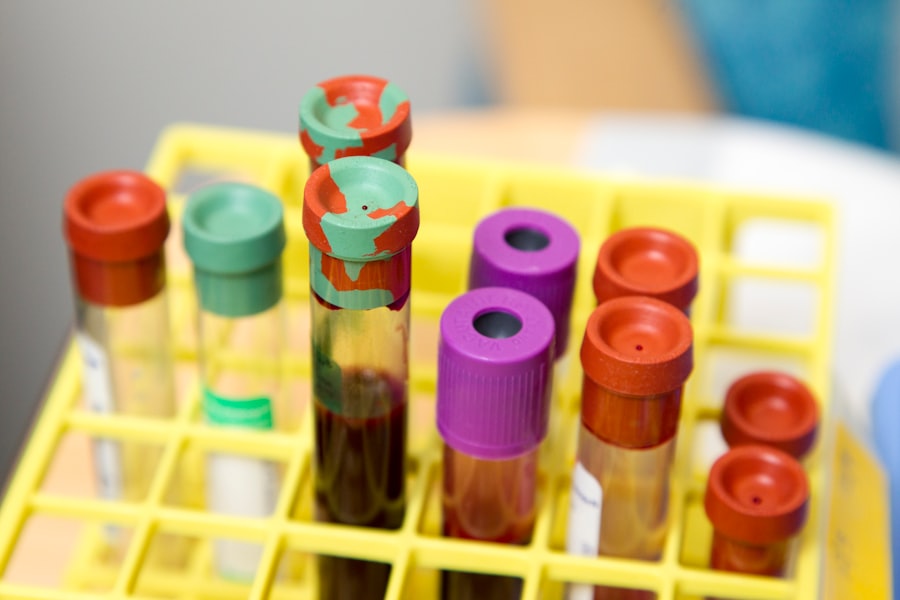
Clinical trials are typically divided into four distinct phases, each with its own objectives and methodologies. These phases are designed to systematically evaluate a new intervention’s safety and efficacy before it can be widely used in clinical practice. The progression through these phases is essential for gathering comprehensive data that informs regulatory decisions and clinical guidelines.
Phase I trials focus primarily on assessing the safety of a new intervention. They involve a small number of healthy volunteers or patients and aim to determine the appropriate dosage range and identify any potential side effects. Phase II trials expand on this foundation by evaluating the intervention’s efficacy in a larger group of patients who have the condition being studied.
Phase III trials are pivotal in confirming the intervention’s effectiveness compared to standard treatments or placebos in a larger population. Finally, Phase IV trials occur after a treatment has been approved and marketed, focusing on long-term effects and rare side effects in diverse populations. Each phase builds upon the findings of the previous one, creating a comprehensive understanding of the intervention’s profile.
Phase I Clinical Trials
Phase I clinical trials are the first step in testing a new drug or treatment in humans. These trials typically involve a small group of 20 to 100 participants and are primarily concerned with safety. Researchers aim to determine how the drug is metabolized in the body, its pharmacokinetics (how it moves through the body), and its pharmacodynamics (the effects it has on the body).
Participants in Phase I trials are often healthy volunteers, although patients with specific conditions may also be included if the treatment is deemed safe enough for them. One key aspect of Phase I trials is dose escalation. Researchers start with a low dose of the drug and gradually increase it in subsequent groups of participants until they identify the maximum tolerated dose (MTD).
This process helps to establish a safe dosage range for further testing. Additionally, Phase I trials often employ various monitoring techniques to track participants’ health closely, including regular blood tests and imaging studies. For example, a Phase I trial for a new cancer drug might involve monitoring tumor markers in blood samples to assess how well the drug is working while also keeping an eye on any adverse effects.
Phase II Clinical Trials
| Phase | Purpose | Number of Participants | Duration | Key Focus |
|---|---|---|---|---|
| Preclinical | Laboratory and animal testing to assess safety and biological activity | Not applicable | Several years | Safety, dosage, and biological effect |
| Phase 1 | Assess safety, dosage range, and side effects in humans | 20-100 healthy volunteers or patients | Several months | Safety and dosage |
| Phase 2 | Evaluate effectiveness and further assess safety | 100-300 patients | Several months to 2 years | Efficacy and side effects |
| Phase 3 | Confirm effectiveness, monitor side effects, compare to standard treatments | 1,000-3,000 patients | 1-4 years | Effectiveness and safety |
| Phase 4 | Post-marketing studies to gather additional information on risks, benefits, and optimal use | Varies, often thousands | Varies, ongoing | Long-term safety and effectiveness |
Once a treatment has successfully passed Phase I trials, it moves into Phase II trials, where the focus shifts from safety to efficacy. These trials typically involve a larger group of participants, ranging from 100 to several hundred individuals who have the condition that the treatment aims to address. The primary objective of Phase II trials is to evaluate whether the intervention produces a beneficial effect on the disease or condition being studied.
In Phase II trials, researchers often use randomized controlled designs to compare the new treatment against a placebo or standard therapy. This helps to eliminate bias and provides more robust data on the treatment’s effectiveness. For instance, if a new medication is being tested for hypertension, participants might be randomly assigned to receive either the new drug or an existing antihypertensive medication.
Researchers then measure changes in blood pressure over time to determine if the new drug offers any advantages over current treatments. Additionally, Phase II trials may also provide insights into optimal dosing regimens and further assess safety profiles in a larger population. Researchers may collect data on side effects experienced by participants, which can inform future phases of testing.
For example, if patients report significant fatigue as a side effect during Phase II trials, researchers may need to consider this when designing Phase III studies or when advising clinicians on how to manage this side effect in practice.
Phase III Clinical Trials
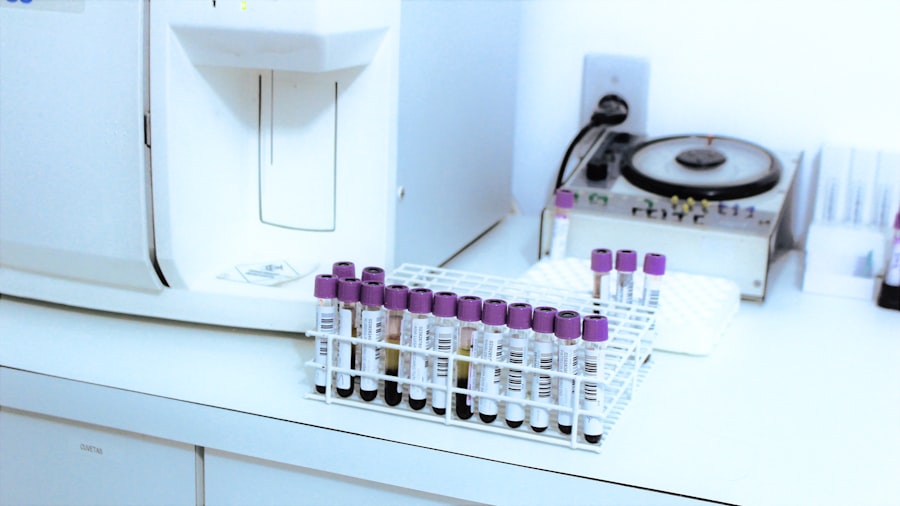
Phase III clinical trials represent a critical juncture in the drug development process. These studies involve large populations—often thousands of participants—and are designed to confirm the efficacy of an intervention while further assessing its safety compared to standard treatments or placebos. The results from Phase III trials are pivotal for regulatory approval by agencies such as the U.S.
Food and Drug Administration (FDA) or the European Medicines Agency (EMA). In these trials, researchers often employ multicenter designs that allow for diverse participant recruitment across various geographic locations and demographics. This diversity helps ensure that findings are generalizable to broader populations.
For example, if a new diabetes medication is being tested, researchers would aim to include participants from different ethnic backgrounds, age groups, and comorbid conditions to understand how well the drug works across various patient profiles. The data collected during Phase III trials is extensive and includes not only efficacy outcomes but also long-term safety data. Researchers analyze various endpoints such as overall survival rates, disease progression-free survival, quality of life measures, and adverse events.
A notable example is the clinical trials conducted for immunotherapies in cancer treatment; these studies have provided critical insights into how these innovative therapies can improve patient outcomes compared to traditional chemotherapy regimens.
Phase IV Clinical Trials
Phase IV clinical trials occur after a drug has received regulatory approval and is available on the market. These post-marketing studies are essential for monitoring long-term effects and rare adverse events that may not have been evident during earlier phases of testing due to smaller sample sizes or shorter follow-up periods. Phase IV trials can also explore additional indications for an approved drug or assess its effectiveness in specific populations not adequately represented in earlier studies.
One significant aspect of Phase IV trials is their ability to gather real-world evidence about a treatment’s performance outside controlled clinical settings. For instance, researchers may conduct observational studies or registries that track patients using a newly approved medication over time. This data can provide valuable insights into how well the drug works in everyday practice and help identify any long-term side effects that may arise after widespread use.
An illustrative example of Phase IV research can be seen with vaccines. After vaccines receive approval from regulatory agencies, ongoing surveillance systems monitor their safety in diverse populations over time. This vigilance helps ensure that any rare adverse events are identified promptly and addressed appropriately.
Such post-marketing studies are crucial for maintaining public confidence in vaccination programs and ensuring that benefits continue to outweigh risks.
Importance of Clinical Trials
The importance of clinical trials cannot be overstated; they are fundamental to advancing medical science and improving patient care. Through rigorous testing across multiple phases, clinical trials provide essential data that informs healthcare decisions at every level—from individual patient care to public health policy. They enable researchers to identify effective treatments while ensuring that safety remains paramount throughout the process.
Moreover, clinical trials foster innovation by encouraging collaboration among researchers, healthcare providers, regulatory agencies, and patients. This collaborative spirit drives progress in understanding complex diseases and developing novel therapies that can transform lives. As we continue to face emerging health challenges—such as antibiotic resistance or novel infectious diseases—the role of clinical trials will remain critical in our quest for effective solutions that enhance health outcomes globally.
